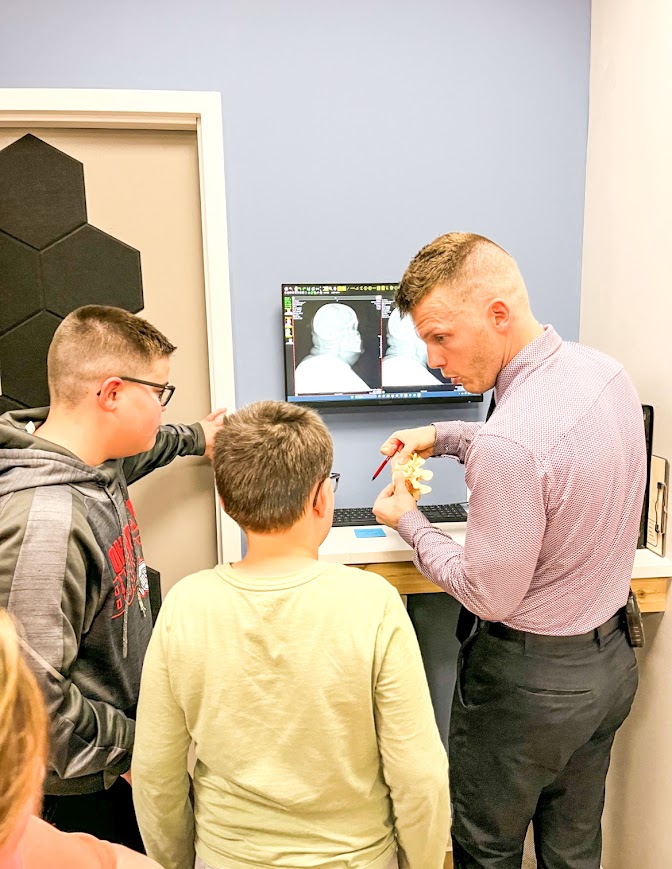

As parents, we pay close attention to our children’s health — their pediatric checkups, their diet, their sleep. But one area that often gets overlooked is the health of their spine and musculoskeletal system. Many parents don’t realize that children can experience the same kinds of muscle tension, joint dysfunction, and postural imbalances that adults do. The difference is that kids rarely have the words to describe what they’re feeling, which means the signs can be easy to miss. If you’ve been wondering whether pediatric chiropractic care might be right for your child, you’re not alone — and you’re asking exactly the right question.
What is pediatric chiropractic care?
Pediatric chiropractic care involves the evaluation and gentle adjustment of the spine and musculoskeletal system in children. It is a conservative, non-invasive approach that aims to support healthy development, nerve function, and overall physical well-being during the critical years of growth.
Why Children’s Spines Need Attention Too
Most people associate chiropractic care with adults dealing with low back pain or neck stiffness after years of desk work. But the truth is, the spine goes through significant stress from the very beginning of life. The process of birth itself — even an uncomplicated vaginal delivery — places considerable mechanical forces on a newborn’s cervical spine. From there, the physical demands only increase.
Think about what a typical child’s body goes through in a single week. They learn to crawl, tumble, and walk. They carry heavy backpacks to school. They sit in classroom chairs that aren’t ergonomically designed for growing bodies. They play sports, ride bikes, and sometimes take falls that seem minor but can still affect spinal alignment. All of these experiences shape how the spine develops over time.
Here in Hilliard, OH, Dr. Nicholas Esser sees children of all ages at 614 Chiropractic — from infants to teenagers — and one thing he consistently finds is that many spinal issues in children go unaddressed simply because parents don’t know what to look for. The nervous system runs through the spine, and when there’s interference in that communication, it can show up in surprising and seemingly unrelated ways.
Common Signs Parents Often Miss
This is perhaps the most important section of this article, because recognizing these signs early can make a real difference in your child’s comfort and development. Children are not always going to tell you their neck hurts or their back feels stiff. Instead, the signs tend to show up in their behavior, their posture, and their physical complaints that might seem unrelated to the spine.
One of the most commonly overlooked signs is an uneven posture. If you notice your child’s head tilts to one side, one shoulder sits higher than the other, or they seem to favor leaning in a particular direction when standing or sitting, these can all point to muscular imbalance or spinal misalignment. These postural patterns are easy to dismiss as “just the way they stand,” but they deserve a closer look.
Frequent headaches are another sign that parents often attribute to dehydration, screen time, or stress — and those can certainly be contributing factors. But recurring headaches in children, particularly those that originate at the base of the skull or involve neck tension, can sometimes be related to cervical spine dysfunction. When the upper neck joints are not moving properly, it can create tension that radiates into the head.
Sleep disturbances are also worth paying attention to. Children who have trouble finding a comfortable sleeping position, who toss and turn excessively, or who wake up frequently with complaints of soreness or stiffness may be experiencing musculoskeletal discomfort that is interfering with their rest. A child who consistently wakes up complaining of a stiff neck or sore back is telling you something important.
Other signs to watch for include complaints of growing pains that seem more persistent or localized than typical, difficulty sitting still for extended periods, avoiding certain physical activities they previously enjoyed, or walking with an unusual gait. Each of these on its own may not be cause for alarm, but when you notice a pattern, it’s worth having a professional evaluation.
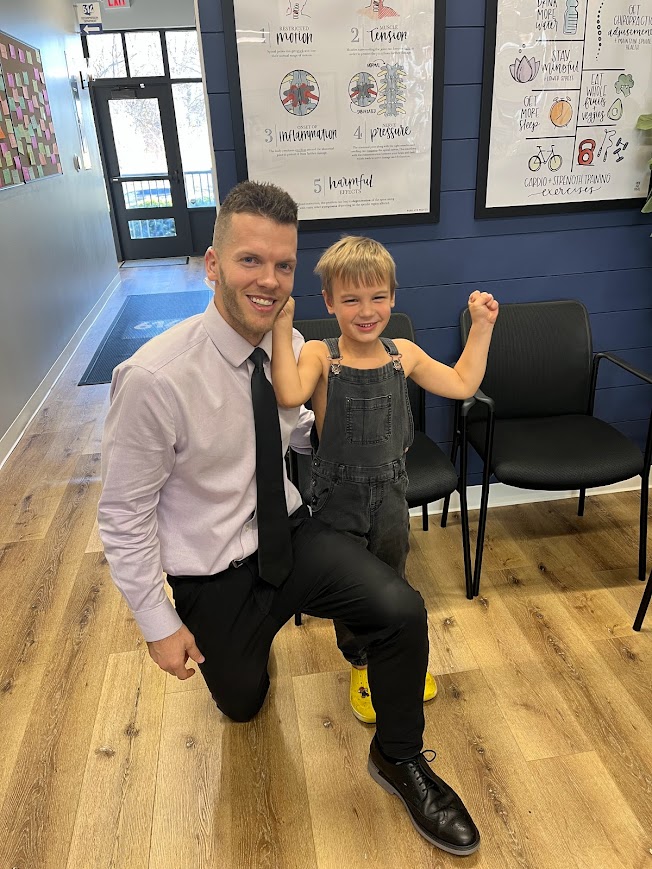
What Causes Spinal Stress in Kids?
Understanding what puts stress on a child’s spine can help you be more proactive. One of the most significant modern contributors is technology use. Children are spending more time than ever looking down at tablets, smartphones, and laptops. This forward head posture — sometimes called “tech neck” — creates significant strain on the cervical spine and the surrounding muscles. The head weighs roughly 10-12 pounds in a neutral position, but for every inch it tilts forward, the effective load on the neck increases substantially.
Heavy backpacks are another well-known culprit. Research suggests that backpacks should weigh no more than 10-15% of a child’s body weight, but many school-aged children are carrying far more than that — and often on just one shoulder. Over time, this creates asymmetrical loading on the spine and can contribute to postural imbalances.
Sports injuries and repetitive strain from athletic activities are also common contributors. Whether your child plays soccer, gymnastics, swimming, or baseball, each sport places unique demands on specific areas of the spine and musculoskeletal system. Minor injuries that aren’t properly addressed can develop into patterns of dysfunction that persist over time.
Finally, even sedentary habits play a role. Children who sit for long periods — whether at school, while doing homework, or during leisure screen time — often develop poor sitting posture habits that stress the lumbar and thoracic spine. Growing bodies need movement, and extended sitting without breaks can contribute to muscle fatigue and spinal stress.
How Chiropractic Care Fits Into Your Child’s Health
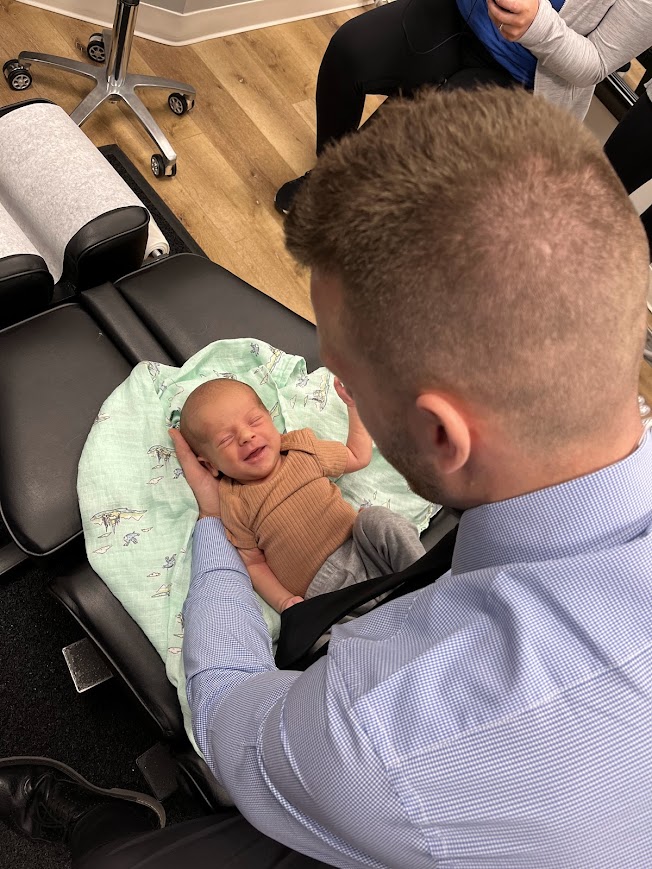
Chiropractic care for children is not the same as care for adults. The techniques used are adapted to be gentle, precise, and appropriate for a child’s developing body. For infants and very young children, the pressure used during an adjustment is remarkably light — often no more than the pressure you would use to check the ripeness of a tomato. As children grow, the approach adjusts to match their size, age, and specific needs.
At 614 Chiropractic in Hilliard, OH, Dr. Nicholas Esser takes a thorough approach to evaluating children. This starts with a detailed health history and a physical assessment of the spine, posture, and range of motion. The goal is never to force a specific outcome, but to identify areas of restriction or dysfunction and support the body’s natural ability to function well.
Chiropractic care for children is often focused on supporting healthy neurological development, improving posture, and helping the body recover from the physical stresses of growth and activity. It works alongside — not in place of — your child’s primary care pediatrician. Dr. Nicholas Esser encourages open communication between all healthcare providers involved in your child’s care.
Evidence from organizations like the National Center for Complementary and Integrative Health (NCCIH) indicates that spinal manipulation, when performed by a trained and licensed provider, is generally considered safe for children. As with any healthcare decision, the key is choosing a qualified practitioner who has experience with pediatric patients.
What to Expect at a Pediatric Chiropractic Visit
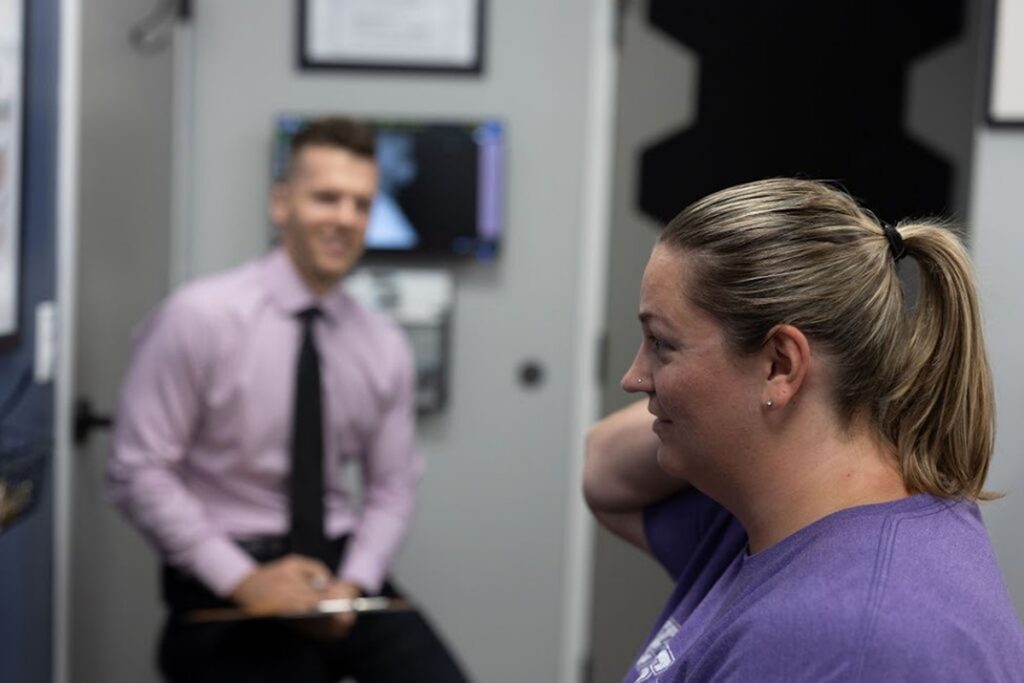
If you’ve never brought a child to a chiropractor before, it’s completely natural to feel uncertain about what the experience will be like. At 614 Chiropractic, the environment is welcoming and calm, designed to put both children and parents at ease from the moment they walk in.
The first visit typically begins with a conversation. Dr. Nicholas Esser will want to understand your child’s health history, any complaints or concerns, their activity level, and any incidents — such as falls, sports injuries, or changes in posture — that prompted the visit. This information guides the examination.
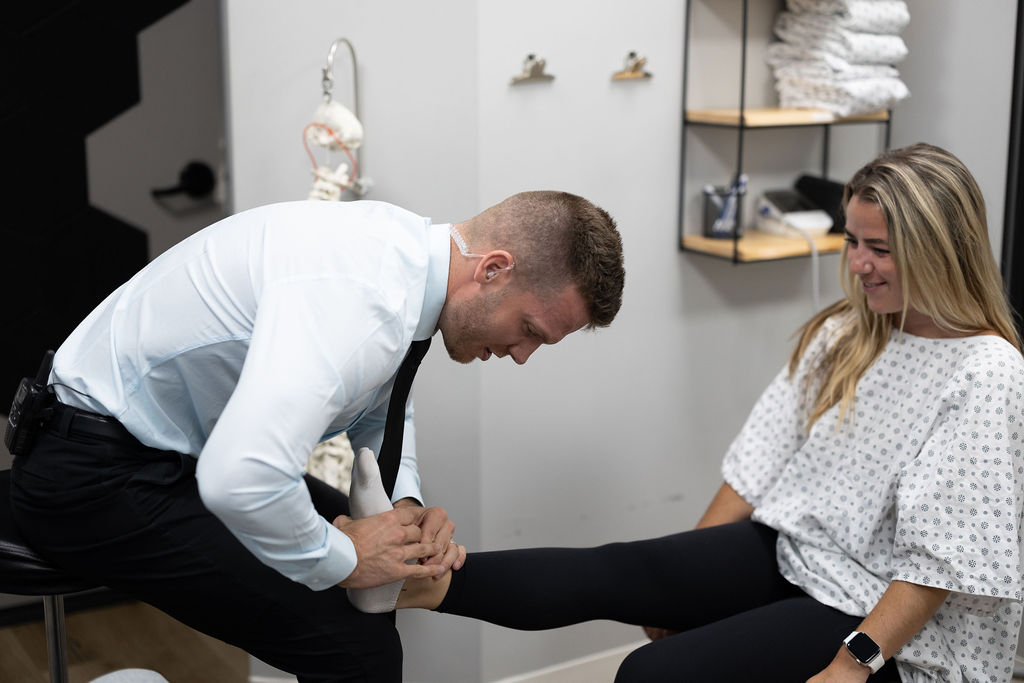
The physical examination involves assessing posture, observing the child’s movement and gait, checking spinal alignment, and evaluating muscle tone and joint mobility. It is a gentle, non-threatening process. Most children find it interesting and comfortable rather than scary. Parents are always present and involved throughout the visit, and nothing is done without full explanation and consent.
If care is recommended, Dr. Nicholas Esser will walk you through exactly what it involves, how often visits might be needed, and what realistic outcomes to expect. There is never any pressure — the goal is to give you the information you need to make the best decision for your child.
Practical Tips for Supporting Your Child’s Spinal Health
Whether or not you decide to pursue chiropractic care, there are meaningful things you can do at home to support your child’s musculoskeletal health. Encouraging regular movement breaks during homework and screen time is one of the most impactful changes you can make. Setting a timer to prompt a short walk or stretch every 30-45 minutes helps counteract the effects of prolonged sitting.
Check your child’s backpack regularly. Make sure they are using both straps, that the pack sits snugly against their back, and that the total weight is reasonable for their size. Encourage them to only carry what they need for that day rather than hauling everything at once.
Pay attention to how your child uses devices. Positioning screens at eye level — whether a laptop, tablet, or phone — reduces the forward head posture that strains the cervical spine. Small habit changes like these, practiced consistently, can make a meaningful difference over time.
Adequate sleep, proper hydration, and good nutrition all support healthy musculoskeletal development as well. And for active kids involved in sports, make sure they have appropriate warm-up and cool-down routines, and that any injuries — even seemingly minor ones — are evaluated and addressed rather than ignored.
When to Bring Your Child In
There are certain situations where scheduling a visit with Dr. Nicholas Esser at 614 Chiropractic in Hilliard, OH makes a lot of sense. If your child has experienced a fall, sports injury, or significant physical impact — even if they seem “fine” afterward — a spinal evaluation can help identify any underlying issues before they develop into bigger problems.
If you’ve noticed persistent postural changes, such as a head tilt, uneven shoulders, or a tendency to lean to one side, these are worth investigating. The same applies if your child regularly complains of headaches, neck pain, back pain, or muscle soreness that doesn’t resolve with rest.
For infants, signs like difficulty turning the head to one side during feeding, excessive fussiness, or preference for looking in only one direction can sometimes indicate cervical tension that responds well to gentle chiropractic care.
However, it is important to note that chiropractic care is not a replacement for emergency medical care or pediatric medical diagnosis. If your child has experienced a serious injury, has neurological symptoms such as weakness or numbness, or has any acute illness, the appropriate first step is your pediatrician or an emergency provider. Chiropractors like Dr. Nicholas Esser work collaboratively within the broader healthcare system and will always refer out when a situation warrants it.
|
Situation |
Possible Spinal Concern |
Recommended Action |
|---|---|---|
|
Child has uneven shoulders or head tilt |
Postural imbalance / spinal misalignment |
Schedule a chiropractic evaluation |
|
Frequent headaches or neck pain |
Cervical joint dysfunction / muscle tension |
Chiropractic evaluation; rule out other causes with pediatrician |
|
Sports injury or significant fall |
Spinal strain or joint disruption |
Evaluate with chiropractor and/or pediatrician depending on severity |
|
Infant with feeding-side preference or limited head rotation |
Cervical tension (torticollis) |
Gentle chiropractic assessment; coordinate with pediatrician |
|
Persistent low back pain from prolonged sitting |
Lumbar postural strain |
Chiropractic care plus ergonomic and activity adjustments |
|
Neurological symptoms (numbness, weakness) |
Possible medical concern requiring diagnosis |
See pediatrician or emergency provider first |
Myths vs. Facts About Children and Chiropractic Care
Myth: Chiropractic adjustments are too forceful for children.
Fact: Pediatric chiropractic adjustments are adapted specifically for a child’s size, age, and developmental stage. The techniques used for infants and young children involve very gentle, low-force pressure — nothing like what you might imagine from adult care. Trained chiropractors modify their approach significantly when working with younger patients.
Myth: Children don’t need chiropractic care because they’re young and resilient.
Fact: Youth does offer a degree of physical resilience, but children’s bodies are also actively developing — which means early spinal dysfunction can influence how the musculoskeletal system develops over time. Addressing issues early, while the body is still growing, is often more effective than waiting until problems become more established.
Myth: Chiropractors claim to cure childhood conditions like ADHD or ear infections.
Fact: Responsible, ethical chiropractors do not claim to cure diseases or medical conditions. Chiropractic care focuses on the musculoskeletal and nervous system. While some parents report improvements in their child’s overall well-being after care, chiropractic is not presented as a treatment for medical diagnoses. At 614 Chiropractic, the focus is always on honest, evidence-informed care.
Myth: You should only bring a child to a chiropractor if they’re in obvious pain.
Fact: Many spinal imbalances in children are painless in the early stages. Waiting for a child to be in significant pain before seeking evaluation means the issue may have already progressed. Preventive and wellness-based chiropractic care can identify and address dysfunction before it becomes symptomatic.
Myth: Pediatric chiropractic care is not supported by evidence.
Fact: While more research is always valuable, existing evidence — including reviews published in recognized healthcare journals — indicates that chiropractic care for children is generally safe when provided by a trained practitioner. Organizations like the NCCIH acknowledge spinal manipulation as a viable conservative care option, and many pediatric health professionals work alongside chiropractors as part of integrated care.
Final Thoughts from 614 Chiropractic in Hilliard, OH
Parenting comes with an enormous amount of responsibility, and it can be hard to know when to act and when to wait and see. When it comes to your child’s spinal health, the most important thing you can do is stay observant and trust your instincts. If something seems off — a persistent tilt, a complaint that keeps coming back, a reluctance to move in certain ways — it’s worth getting a professional opinion.
At 614 Chiropractic in Hilliard, OH, Dr. Nicholas Esser is committed to providing honest, gentle, and child-friendly care to families in our community. The goal is never to push unnecessary treatment, but to give you accurate information and a thorough evaluation so you can make informed decisions. Children deserve to move, grow, and live comfortably — and supporting their spinal health is one meaningful way to help them do exactly that.
If you’re a parent in the Hilliard area who has questions about your child’s posture, movement, or comfort, we’d be happy to have a conversation. You don’t have to have all the answers — that’s what we’re here for.
Frequently Asked Questions
At what age can a child first see a chiropractor?
Children can be evaluated by a chiropractor at any age, including as newborns. The techniques used are always adapted to the child’s age and size, and are significantly gentler for infants and very young children than for older kids or adults. Many parents bring newborns in for a wellness check shortly after birth.
Is chiropractic care safe for children?
When performed by a licensed, trained chiropractor with experience in pediatric care, chiropractic is generally considered safe for children. Evidence from health organizations such as the NCCIH supports its safety profile as a conservative care option. As with any healthcare, choosing a qualified provider is essential.
How do I know if my child’s posture is a problem worth addressing?
If you notice that your child consistently holds their head to one side, has uneven shoulders, or seems to favor one side of their body when standing or sitting, it’s worth having a professional evaluate their posture. These patterns can reflect underlying spinal or muscular imbalances that may respond well to early intervention.
Will a chiropractor communicate with my child’s pediatrician?
A responsible chiropractor will always support open communication with your child’s other healthcare providers. Dr. Nicholas Esser at 614 Chiropractic believes in collaborative care and will refer to other providers when a situation is outside the scope of chiropractic practice.
How many visits will my child need?
The number of visits depends entirely on the individual child, their age, and the nature of the concern. Some children benefit from just a few visits to address a specific issue, while others may benefit from periodic wellness check-ins. Dr. Nicholas Esser will give you a clear and honest recommendation after the initial evaluation.
Can chiropractic care help with my child’s sports injuries?
Chiropractic care can be a helpful part of a recovery plan for musculoskeletal sports injuries, including strains, sprains, and overuse injuries that affect the spine and surrounding joints. It works best as part of a broader care plan that may also include rest, physical therapy guidance, and medical oversight when needed.
TL;DR
-
Children’s spines experience significant stress from birth onward, making early evaluation important — not just care when problems become obvious.
-
Common signs parents miss include postural imbalances, frequent headaches, sleep disturbances, and recurring complaints of soreness or stiffness.
-
Pediatric chiropractic adjustments are gentle and specifically adapted for a child’s age and size — they are not the same as adult adjustments.
-
Chiropractic care for children works alongside pediatric medicine and is not a substitute for medical diagnosis or emergency care.
-
At 614 Chiropractic in Hilliard, OH, Dr. Nicholas Esser provides thorough, honest evaluations and gentle care tailored to each child’s individual needs.