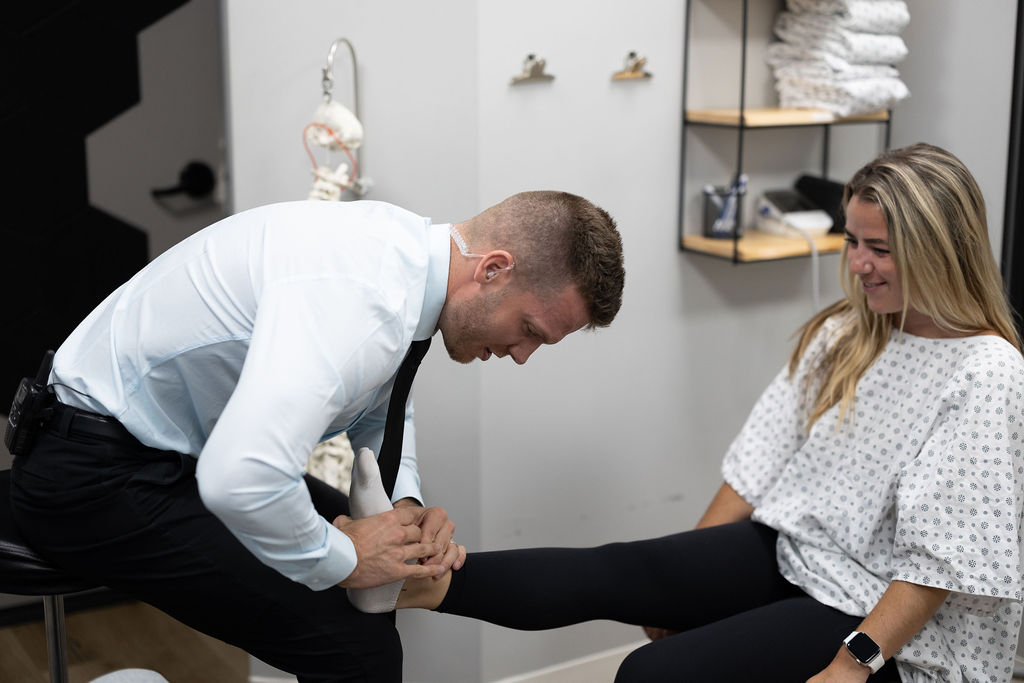

If you’ve ever felt a sudden, electric jolt shoot down your leg — or maybe a deep, nagging ache that just won’t quit — you know how unsettling leg pain can be. It disrupts your sleep, slows you down at work, and makes even simple things like walking to your car feel like a challenge. Here in Hilliard, OH, many patients come through the doors of 614 Chiropractic describing their leg pain in very different ways. Some say it feels like a lightning bolt. Others describe it as a heavy, throbbing soreness. What most people don’t realize is that the type of pain you’re feeling can tell us a lot about what’s actually going on in your body.
Understanding the difference between sharp, shooting leg pain and a dull, persistent ache isn’t just interesting information — it’s genuinely useful. It helps you have better conversations with your care providers, know when something needs urgent attention, and understand why certain treatments may work better than others for your specific situation.
What Is the Difference Between Sharp Shooting Leg Pain and a Dull Ache?
Sharp, shooting leg pain is typically nerve-related — it travels along a nerve pathway and may feel like burning, electric shocks, or stabbing sensations. A dull ache is more commonly associated with muscle tension, joint stress, or circulatory issues. Both are meaningful signals your body is sending, and both deserve proper evaluation.
Types of Leg Pain and What They Signal
Pain is your body’s communication system. When something goes wrong — whether in a nerve, a muscle, a joint, or a blood vessel — your nervous system generates a pain signal to get your attention. But not all pain signals feel the same, and those differences are actually packed with information.
Sharp, shooting leg pain often travels along a specific path. You might feel it starting in your lower back or buttock, then radiating down through your thigh, knee, calf, or even into your foot. This pattern is a hallmark of nerve involvement. The sensation is frequently described as burning, electric, stabbing, or like a hot wire running through the leg. It can come on suddenly, flare with certain movements, and sometimes feel worse when sitting for long periods.
Dull, aching leg pain has a very different character. It tends to be more diffuse — meaning it’s harder to point to one exact spot. It may feel like heaviness, soreness, or a deep throbbing. This type of pain is more commonly associated with muscle fatigue, joint inflammation, poor circulation, or overuse. It tends to build gradually and can linger for hours after activity.
Neither type of pain should be brushed off. But recognizing which category your pain falls into is a powerful first step in figuring out what’s driving it.

Common Causes of Sharp vs. Dull Leg Pain
What Causes Sharp, Shooting Leg Pain?
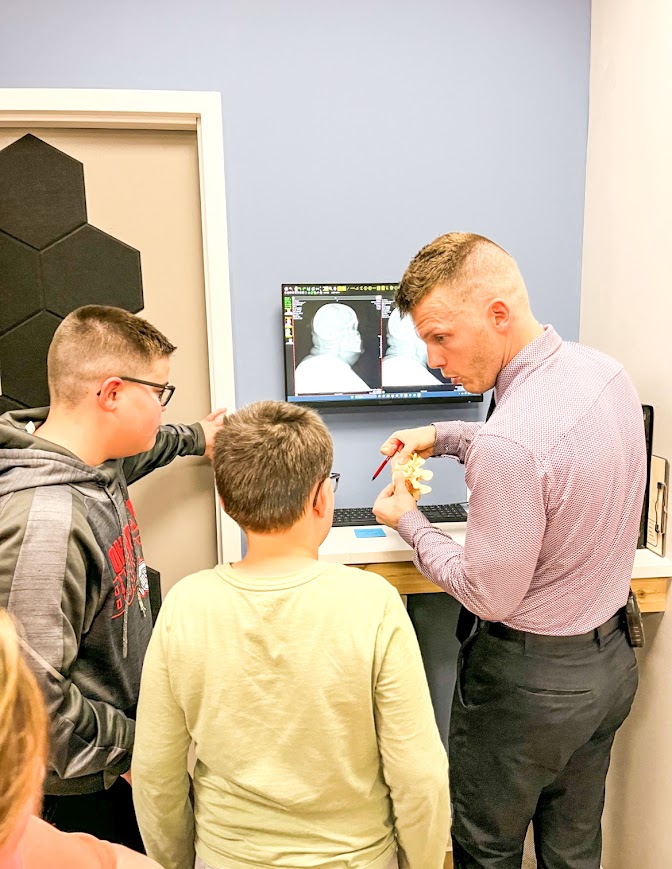
The most well-known cause of shooting leg pain is sciatica. The sciatic nerve is the longest nerve in the body, running from the lower spine through the buttocks and all the way down each leg. When this nerve becomes compressed or irritated — often due to a herniated disc, bone spur, or spinal stenosis — it can produce that distinctive shooting, burning, or electric sensation along its path. Sciatica is something Dr. Nicholas Esser at 614 Chiropractic evaluates and manages on a regular basis for patients throughout the Hilliard, OH area.
Other causes of sharp, nerve-related leg pain include lumbar disc herniation, where a spinal disc bulges out and presses on a nearby nerve root. Piriformis syndrome — where the piriformis muscle in the buttock irritates the sciatic nerve — can also produce sharp, radiating symptoms. In some cases, spinal joint dysfunction can affect the way nerve signals travel through the lower body.
What Causes a Dull, Aching Leg?
Dull leg aches are often rooted in muscular or joint-level issues. Muscle tension, overuse, and trigger points — tight knots within muscle tissue — are among the most frequent culprits. Hip osteoarthritis, knee joint stress, or sacroiliac (SI) joint dysfunction can all refer a deep, achy discomfort into the thigh or leg without the electric quality of nerve pain.
Poor posture and prolonged sitting — something many people in desk jobs experience every day — can also create a persistent dull ache by placing chronic stress on the muscles and joints of the lower back, hips, and legs. Circulatory factors, such as poor venous return from long periods of standing, can add to that heavy, aching feeling as well.
Signs and Symptoms to Watch For
Understanding your specific symptoms can help you and your chiropractor piece together a clearer picture. Sharp, shooting leg pain that travels below the knee — especially when accompanied by numbness, tingling, or weakness in the foot — is a particularly important symptom pattern. It strongly suggests nerve root involvement and warrants a thorough spinal evaluation.
If your shooting pain is worsened by sneezing, coughing, or bearing down, that also points toward nerve compression from a disc or vertebral issue. Pain that wakes you up at night, is constant regardless of position, or is accompanied by unexplained weight loss or bladder/bowel changes would be considered red flags requiring prompt medical evaluation — these are not typical chiropractic presentations.
For dull aches, pay attention to whether the pain is worse after inactivity (like getting up from a chair) or after prolonged activity (like a long walk). Morning stiffness that improves as you move often suggests a joint or inflammatory component. Soreness that increases with exercise and eases with rest tends to point more toward a muscular or overuse issue.
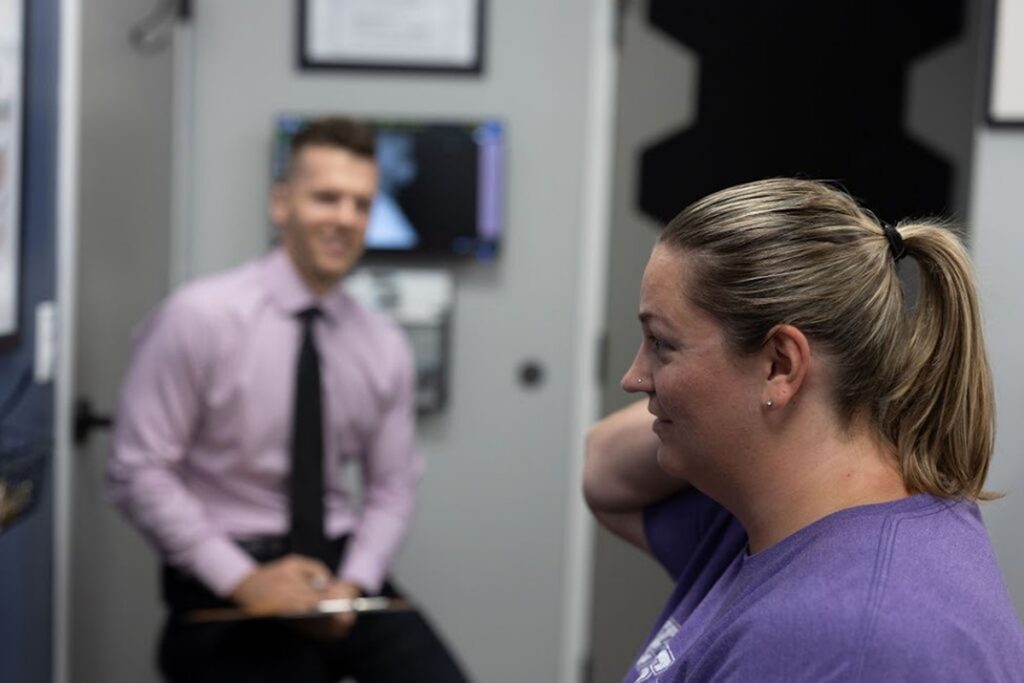
At 614 Chiropractic in Hilliard, OH, Dr. Nicholas Esser takes time during the initial evaluation to listen carefully to how and when symptoms occur — because these details often make all the difference in identifying the right approach.
How Chiropractic Care Fits Into Leg Pain Relief
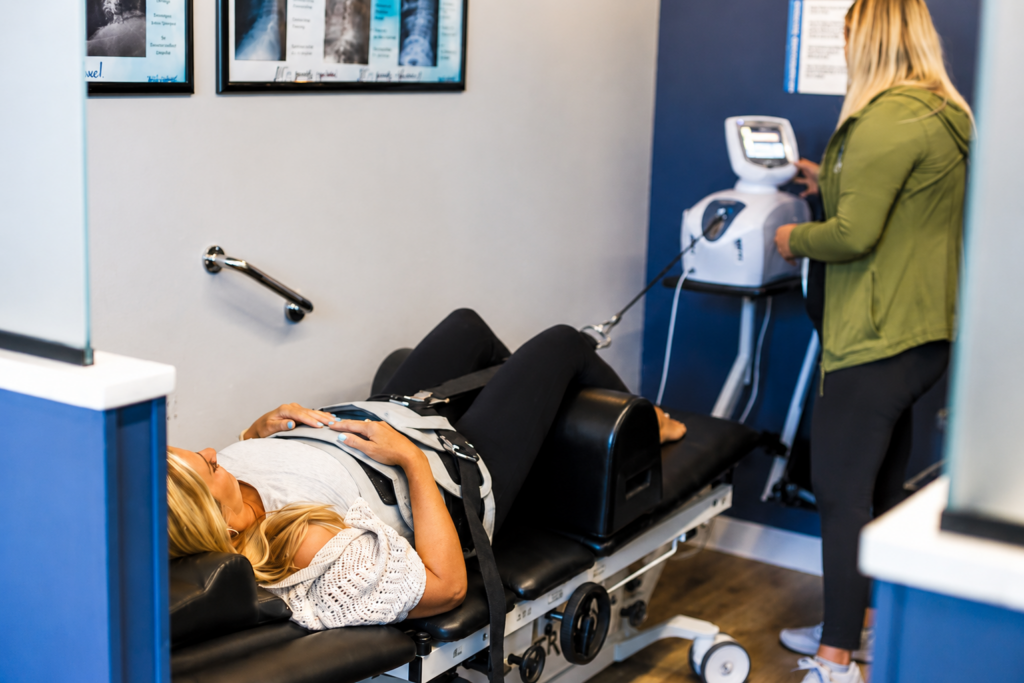
Chiropractic care offers a non-invasive, drug-free approach to evaluating and managing both types of leg pain. The underlying philosophy is straightforward: when the spine and joints are functioning well, the nerves and muscles that serve the legs are in a better position to function well too.
For sharp, shooting leg pain — particularly when it stems from a spinal cause like disc herniation or joint compression — chiropractic adjustments aim to restore proper spinal alignment and reduce pressure on affected nerve roots. Research published through organizations like the National Institutes of Health and reviewed by the American Chiropractic Association suggests that spinal manipulation may be a beneficial conservative treatment option for conditions like sciatica and lumbar nerve root pain.
For dull, achy leg pain with muscular and joint origins, chiropractic care can address the biomechanical imbalances contributing to the problem. Hip alignment, sacroiliac joint function, and lumbar mobility all play a role in how load is distributed through the legs. When these systems are working efficiently, many patients find that their chronic dull pain begins to ease.
At 614 Chiropractic, Dr. Nicholas Esser approaches each patient as an individual. Care is never one-size-fits-all. Depending on your presentation, your care plan might include spinal adjustments, soft tissue work, rehabilitative exercises, or movement education — and often a combination of several of these. The goal is always to identify the root cause, not just manage the surface-level symptom.
Practical Tips for Managing Leg Pain at Home
While professional evaluation is always the right starting point, there are some supportive habits you can build into your daily routine to help manage leg pain and prevent it from worsening.
Movement is generally your friend — but the right kind of movement matters. Gentle walking, especially for those with sciatica-type pain, can help mobilize the spine and reduce nerve irritation more effectively than prolonged bed rest. Staying stationary for too long often makes both types of leg pain worse.
Pay attention to your sitting posture. Sitting with your hips lower than your knees, slouching forward, or crossing your legs for extended periods can all increase pressure on the lumbar spine and sciatic nerve. If you work at a desk, aim to get up and move every 30 to 45 minutes. Even a brief walk to the water cooler can make a meaningful difference over the course of a day.
For dull, muscular leg aches, gentle stretching of the hamstrings, hip flexors, and calves can provide meaningful relief. For shooting nerve pain, it’s wise to check in with Dr. Nicholas Esser before beginning any stretching program, as some movements can aggravate nerve symptoms if done incorrectly.
Sleep position matters too. Sleeping on your side with a pillow between your knees helps maintain spinal alignment and reduce pressure on the sciatic nerve. Avoid sleeping on your stomach if you can, as it tends to flatten the lumbar curve and strain the lower back.

When to See a Chiropractor
If your leg pain has been present for more than a few days without improvement, it’s worth getting a professional evaluation. You don’t need to wait until the pain is severe. Earlier intervention often means faster resolution and fewer complications down the road.
Chiropractic care is particularly appropriate when leg pain is accompanied by lower back pain or stiffness, when it follows a recognizable nerve pathway, when it’s related to a known postural issue or sedentary lifestyle, or when it returns repeatedly in a pattern you recognize.
However, there are situations that go beyond chiropractic scope and require immediate medical attention. These include leg pain with sudden weakness or loss of muscle control, loss of bladder or bowel function, pain following a significant trauma or fall, signs of deep vein thrombosis (swelling, warmth, and redness in one leg), or pain accompanied by fever or unexplained systemic symptoms. In any of these cases, please seek emergency medical care right away.
Sharp vs. Dull Leg Pain: A Side-by-Side Comparison
|
Feature |
Sharp / Shooting Leg Pain |
Dull / Aching Leg Pain |
|---|---|---|
|
Sensation |
Electric, burning, stabbing, radiating |
Heavy, throbbing, sore, diffuse |
|
Location |
Follows a nerve pathway (e.g., down the back of the leg) |
More generalized; hard to pinpoint exactly |
|
Common Origin |
Nerve compression or irritation (spine, disc, piriformis) |
Muscle tension, joint stress, overuse, poor circulation |
|
Worsened By |
Sitting, bending forward, coughing/sneezing |
Prolonged activity, inactivity, poor posture |
|
Associated Symptoms |
Numbness, tingling, weakness in foot or toes |
Stiffness, fatigue, muscle soreness |
|
Chiropractic Focus |
Spinal alignment, nerve decompression, disc support |
Joint mobility, muscle balance, biomechanical correction |
Myths vs. Facts About Leg Pain
Myth: Leg pain always comes from a leg problem.
Fact: A significant portion of leg pain — particularly shooting or radiating pain — actually originates in the lower spine, not in the leg itself. Nerve roots that exit the lumbar spine can produce pain, numbness, and tingling that travel all the way to the foot, even when the leg structures appear completely healthy. This is why a spinal evaluation is so important.
Myth: If you can still walk, your leg pain isn’t serious.
Fact: Many people with significant nerve compression or herniated discs can still walk and perform daily activities. The ability to function doesn’t tell us how much stress is being placed on the nervous system. Symptoms that feel manageable today can worsen over time if the underlying cause isn’t addressed.
Myth: Rest is always the best treatment for leg pain.
Fact: Extended bed rest is generally not recommended for most types of leg pain. For conditions like sciatica, evidence suggests that staying gently active — rather than resting completely — tends to produce better outcomes. The key is knowing which movements are helpful and which might make things worse, which is exactly the kind of guidance Dr. Nicholas Esser provides at 614 Chiropractic.
Myth: A dull ache is nothing to worry about.
Fact: Chronic dull pain — especially when it persists for weeks or recurs regularly — can signal an underlying joint, muscle, or circulatory issue that deserves attention. Ignoring it often allows compensatory movement patterns to develop, which can lead to additional problems over time.
Myth: Chiropractic care is only for back pain, not leg pain.
Fact: Chiropractic care addresses the musculoskeletal and nervous systems as a whole. Because so much leg pain originates in or is influenced by the spine and pelvis, chiropractic evaluation and treatment are frequently a highly relevant and effective option for leg pain of various types.
Final Thoughts from 614 Chiropractic
Leg pain — whether it shoots like lightning or drags like a heavy weight — is your body telling you that something needs attention. Understanding the difference between these two pain types isn’t about worrying more. It’s about being informed, asking the right questions, and getting the right kind of help.
Here in the Hilliard, OH community, the team at 614 Chiropractic is committed to helping you understand what’s happening in your body and working with you toward real, lasting relief. Dr. Nicholas Esser takes a thorough, individualized approach to every patient — listening carefully, evaluating the full picture, and building a care plan that actually makes sense for your life and your symptoms.
You don’t have to just live with leg pain. And you don’t have to figure it out alone. Whether you’re dealing with a nagging ache that’s been building for months or a sudden shooting pain that started this week, 614 Chiropractic in Hilliard, OH is here to help you move forward with clarity and confidence.
Frequently Asked Questions
Is sharp, shooting leg pain always sciatica?
Not always, but sciatica is one of the most common causes. Other conditions, like lumbar disc herniation, spinal stenosis, or piriformis syndrome, can produce similar symptoms. A thorough chiropractic or medical evaluation is the best way to determine the actual source of your pain.
How long does it take for shooting leg pain to improve with chiropractic care?
The timeline varies depending on the severity of the underlying cause and how long the condition has been present. Some patients notice improvement within a few visits, while others with more chronic or complex presentations may take longer. Dr. Nicholas Esser will give you a realistic picture based on your individual evaluation.
Can poor posture really cause leg pain?
Yes, absolutely. Poor posture — particularly prolonged sitting with a slouched lumbar spine — increases pressure on the spinal discs and nerve roots that serve the legs. Over time, this can contribute to both nerve-related shooting pain and muscular dull aches.
Should I stretch if I have shooting nerve pain in my leg?
It depends on the specific cause and severity of your symptoms. Some stretches can be helpful, while others may aggravate nerve irritation. It’s best to check with a chiropractor or healthcare provider before starting a stretching routine when nerve pain is involved.
What’s the difference between referred pain and radiating pain?
Referred pain is a dull, diffuse discomfort that originates in one area but is felt in another — like hip joint pain felt in the outer thigh. Radiating pain travels along a nerve pathway and tends to feel sharper, more electric, and more directional. Both can affect the legs and have different underlying causes.
Is leg pain a reason to go to the emergency room?
Most leg pain does not require emergency care. However, you should seek immediate medical attention if your leg pain is accompanied by sudden weakness, loss of bladder or bowel control, significant trauma, signs of a blood clot (swelling, warmth, and redness in one leg), or fever. These are red flags that go beyond typical musculoskeletal pain.
TL;DR
-
Sharp, shooting leg pain is typically nerve-related and often follows a recognizable pathway from the lower back or buttock down the leg — sciatica being the most common culprit.
-
Dull, aching leg pain is more commonly linked to muscle tension, joint stress, overuse, or poor posture and tends to be more diffuse in nature.
-
The type of pain you feel offers important clues about its origin and helps guide the right treatment approach.
-
Chiropractic care from Dr. Nicholas Esser at 614 Chiropractic in Hilliard, OH can address both types of leg pain through individualized, non-invasive care focused on spinal alignment, joint mobility, and nervous system function.
-
Certain red flag symptoms — like sudden weakness, bladder/bowel changes, or signs of a blood clot — require prompt medical attention and are not typical chiropractic presentations.