

If you’ve ever experienced numbness, tingling, or weakness in your hand—especially at night—you’re not alone. Carpal tunnel syndrome affects millions of Americans every year, and here in Hilliard, we see patients from all walks of life dealing with this frustrating condition. Whether you’re typing at a desk, working with tools, or simply going about your daily routine, understanding what causes carpal tunnel syndrome and how to address it can make a significant difference in your quality of life. This article will walk you through the top causes of carpal tunnel syndrome, how to recognize the symptoms, and what treatment options—including chiropractic care—might help you find relief.
What is Carpal Tunnel Syndrome?
Carpal tunnel syndrome occurs when the median nerve, which runs from your forearm through a narrow passage in your wrist called the carpal tunnel, becomes compressed or irritated. This compression leads to symptoms like numbness, tingling, pain, and weakness in the hand and fingers, particularly affecting the thumb, index, middle, and part of the ring finger.
Table of Contents
- Understanding the Carpal Tunnel
- Top Causes of Carpal Tunnel Syndrome
- Signs & Symptoms to Watch For
- How Chiropractic Care Can Help
- Practical Tips for Prevention & Relief
- When to See a Chiropractor
- Treatment Approaches Comparison
- Myths vs. Facts About Carpal Tunnel
- Final Thoughts
Understanding the Carpal Tunnel
Before we dive into causes and treatments, it helps to understand the anatomy involved. The carpal tunnel is a narrow passageway on the palm side of your wrist, formed by small bones called carpal bones and a thick band of connective tissue called the transverse carpal ligament. Nine tendons that bend your fingers and the median nerve all pass through this small space.
When anything increases pressure within this tunnel—whether from swelling, inflammation, or altered positioning—the median nerve can become compressed. Since the median nerve provides sensation to your thumb, index, middle, and part of your ring finger, as well as motor function to some hand muscles, any compression can lead to the characteristic symptoms of carpal tunnel syndrome.
The condition typically develops gradually. Many patients here at 614 Chiropractic describe symptoms that start mild and worsen over time, especially at night when wrist positioning during sleep can further compress the nerve.
Top Causes of Carpal Tunnel Syndrome
Understanding what causes carpal tunnel syndrome is the first step toward effective prevention and treatment. While some factors are beyond your control, many are modifiable with the right approach.
Repetitive Hand and Wrist Movements
This is perhaps the most well-known cause. Repetitive motions—especially those involving forceful gripping, awkward wrist positions, or vibration—can irritate the tendons in the carpal tunnel, leading to swelling and increased pressure on the median nerve. Assembly line workers, musicians, hairstylists, and office workers who type extensively are all at higher risk.
The key factor isn’t just repetition, but repetition combined with poor positioning. When your wrist is bent significantly while performing repetitive tasks, pressure inside the carpal tunnel increases substantially.
Wrist and Hand Positioning
Prolonged or extreme wrist positions contribute significantly to carpal tunnel syndrome. Sleeping with your wrists curled, working with your wrists bent upward or downward for extended periods, or gripping objects with excessive force all increase pressure within the carpal tunnel.
Many patients in Hilliard don’t realize how much their daily habits—like how they hold their phone, rest their wrists while typing, or sleep at night—impact their wrist health.
Inflammation and Swelling
Any condition that causes inflammation or swelling in the wrist can narrow the carpal tunnel space. Rheumatoid arthritis, wrist injuries, and tendonitis are common culprits. When tissues become inflamed, they take up more space in an already tight area, compressing the median nerve.
Anatomical Factors
Some people are simply born with a smaller carpal tunnel, making them more susceptible to nerve compression. Women tend to have smaller carpal tunnels relative to men, which may explain why women are three times more likely to develop carpal tunnel syndrome.
Pregnancy and Hormonal Changes
Fluid retention during pregnancy can increase pressure in the carpal tunnel. Many pregnant women experience carpal tunnel symptoms, particularly in the third trimester. The good news is that symptoms often resolve after delivery as fluid levels normalize.
Hormonal changes during menopause can also contribute to carpal tunnel syndrome, as can conditions affecting hormone balance like thyroid disorders.
Underlying Health Conditions
Several systemic conditions increase carpal tunnel risk. Diabetes can damage nerves, making them more vulnerable to compression. Obesity is associated with higher rates of carpal tunnel syndrome, possibly due to increased pressure and inflammation. Kidney disease can cause fluid retention, and certain metabolic conditions affect tissue health within the wrist.
Previous Wrist Injuries
A history of wrist fractures, sprains, or dislocations can alter the anatomy of the carpal tunnel or lead to post-traumatic arthritis. Even injuries that seemed to heal well years ago can create structural changes that increase carpal tunnel syndrome risk later in life.
Neck and Upper Spine Issues
This is where chiropractic care becomes particularly relevant. Nerve compression or irritation in the cervical spine—particularly at the C6-C7 level where nerves branch toward the arm—can contribute to symptoms similar to or overlapping with carpal tunnel syndrome. This is sometimes called “double crush syndrome,” where the nerve is compromised at multiple points along its path.
Poor posture, forward head position, and thoracic outlet restrictions can all affect nerve function down the arm and into the hand. Here at 614 Chiropractic, we always evaluate the entire kinetic chain, not just the wrist in isolation.

Signs & Symptoms to Watch For
Recognizing carpal tunnel syndrome early can help you address it before it becomes severe. Symptoms typically develop gradually and may come and go at first.
Numbness and Tingling
The hallmark symptom is numbness or tingling in the thumb, index, middle, and ring fingers. Notably, the pinky finger is usually not affected because it’s served by a different nerve. Many patients describe a “pins and needles” sensation or feeling like their hand has “fallen asleep.”
These sensations often worsen at night. You might wake up needing to shake out your hand or change position to get relief.
Pain and Discomfort
Pain can occur in the hand, wrist, and even radiate up the forearm. Some patients experience aching, burning, or cramping sensations. The discomfort may be worse during activities that involve gripping or flexing the wrist.
Weakness and Clumsiness
As the condition progresses, you might notice weakness in your hand, particularly when gripping objects. You may drop things more often or have difficulty with fine motor tasks like buttoning clothes or picking up small objects. This occurs because the median nerve also controls some of the muscles in your hand.
Symptom Progression
Early on, symptoms may be intermittent and mild. You might only notice tingling after prolonged computer work or when you wake up in the morning. Over time, symptoms can become more constant and severe. Without intervention, permanent nerve damage and muscle atrophy can occur.
Many patients at our Hilliard practice initially dismiss mild symptoms, thinking they’ll just go away. While some cases do resolve on their own, particularly if the cause is temporary, persistent or worsening symptoms warrant professional evaluation.
How Chiropractic Care Can Help
Chiropractic care offers a conservative, non-invasive approach to addressing carpal tunnel syndrome. At 614 Chiropractic in Hilliard, we take a whole-body perspective, recognizing that wrist symptoms often have contributing factors beyond just the wrist itself.
Comprehensive Assessment
Our evaluation includes examining your cervical spine, shoulder, elbow, and wrist to identify all potential sources of nerve interference. We assess your posture, ergonomics, and movement patterns to understand the underlying biomechanical factors contributing to your symptoms.
This thorough approach helps us distinguish true carpal tunnel syndrome from other conditions with similar symptoms, such as cervical radiculopathy or thoracic outlet syndrome.
Chiropractic Adjustments
When misalignments in the cervical spine or other areas are contributing to nerve compromise, specific chiropractic adjustments can help restore proper joint function and reduce nerve irritation. Research suggests that addressing spinal dysfunction may improve outcomes for some patients with arm and hand symptoms.
We also utilize extremity adjustments for the wrist, elbow, and shoulder when appropriate, ensuring optimal joint mechanics throughout the entire upper extremity.
Soft Tissue Therapies
Manual therapy techniques targeting the muscles, tendons, and fascia of the forearm and hand can reduce tension and inflammation that contribute to carpal tunnel compression. These therapies help improve tissue quality and circulation, creating a better environment for healing.
Ergonomic and Lifestyle Guidance
A crucial part of our care involves educating patients about proper ergonomics, wrist positioning, and movement strategies. We provide specific recommendations tailored to your work and daily activities, helping you modify the behaviors that contribute to your symptoms.
Collaborative Care
We believe in working as part of your healthcare team. If your condition requires co-management with your primary care physician, physical therapy, or in rare cases, surgical consultation, we’ll coordinate care to ensure the best possible outcome.
Most patients find that conservative chiropractic care helps them manage symptoms effectively without needing more invasive interventions. However, we’re always transparent about your progress and will make appropriate referrals if needed.
Soft Tissue Regeneration for Carpal Tunnel Pain
Carpal tunnel syndrome can make even the simplest daily tasks frustrating. Typing on a keyboard, gripping a coffee mug, driving, or even sleeping comfortably can become difficult when pain, numbness, and tingling take over your hand and wrist.
While many people are told that surgery or medication are their only options, there are non-invasive treatments designed to help the body repair damaged tissue naturally. One of the most promising approaches is soft tissue regeneration therapy.
This treatment focuses on restoring healthy tissue function, reducing inflammation, and improving mobility in the wrist and hand without relying solely on pain relief medications.
What Is Soft Tissue Regeneration Therapy?
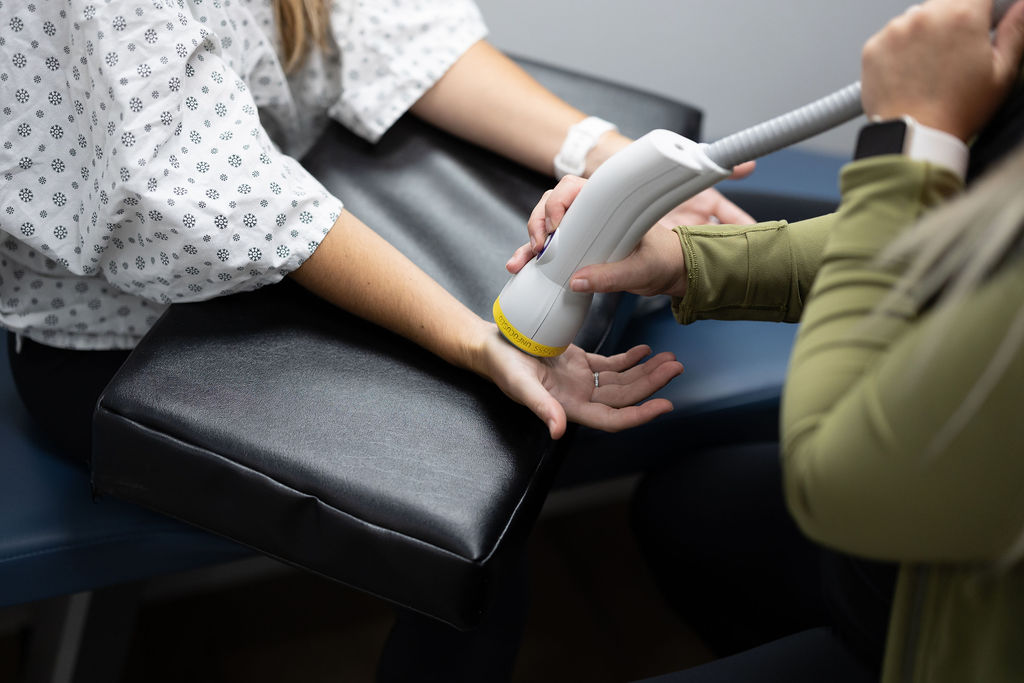
Soft tissue regeneration therapy is a non-surgical treatment designed to stimulate the body’s natural healing response. The goal is to improve circulation, encourage tissue repair, reduce inflammation, and restore proper function to damaged soft tissue structures.
Depending on the clinic and technology used, treatment may involve:
- Acoustic wave therapy
- Shockwave therapy
- Regenerative therapies
- Soft tissue mobilization
- Laser therapy
- Targeted rehabilitation exercises
These therapies work by increasing blood flow and cellular activity in injured tissues that may have struggled to heal on their own.
How Soft Tissue Regeneration Helps Carpal Tunnel Pain
Reduces Inflammation Around the Median Nerve
Inflamed tendons and tissues inside the carpal tunnel create pressure on the median nerve. Regenerative therapies can help calm chronic inflammation and decrease swelling in the area.
As pressure decreases, many patients notice improvements in numbness, tingling, and pain.
Stimulates Tissue Repair
Repeated stress and overuse can create microscopic damage in tendons and connective tissues. Soft tissue regeneration encourages the body to repair these damaged areas more efficiently.
Improved tissue health can help restore smoother movement and reduce irritation during daily activities.
Improves Blood Flow
Poor circulation can slow healing and contribute to chronic inflammation. Many regenerative therapies stimulate increased blood flow to injured tissues, helping deliver oxygen and nutrients necessary for recovery.
Breaks Up Scar Tissue and Adhesions
Old injuries and chronic inflammation may create tight, restricted tissue patterns around the wrist and forearm. These restrictions can increase tension and reduce mobility.
Soft tissue therapies can help improve tissue flexibility and mobility, reducing mechanical stress on the wrist.
Supports Better Wrist Function
As inflammation decreases and tissue quality improves, patients often experience:
- Better grip strength
- Improved wrist mobility
- Less stiffness
- Reduced nighttime symptoms
- Greater hand coordination
Practical Tips for Prevention & Relief
Whether you’re dealing with carpal tunnel syndrome now or hoping to prevent it, these evidence-based strategies can help protect your wrist health.
Optimize Your Workspace
Keep your keyboard at elbow height, allowing your forearms to be parallel to the floor. Your wrists should remain in a neutral position—not bent upward or downward—while typing. Consider using an ergonomic keyboard or wrist rest that maintains proper alignment.
Position your mouse close to your keyboard to avoid reaching and overextending. Many of our Hilliard patients work from home now, and we often find their home office setups need significant adjustments.
Take Regular Breaks
The 20-20 rule works well: every 20 minutes, take a 20-second break from repetitive tasks. During these breaks, stretch your wrists and hands, and shake them out gently. Rotate your wrists in circles, flex and extend your fingers, and stretch your forearms.
Maintain Neutral Wrist Position
Be mindful of how you position your wrists throughout the day. Avoid sleeping with your wrists curled. Consider wearing a wrist splint at night to keep your wrist in a neutral position if nighttime symptoms are a problem.
When holding your phone, support it with your palm rather than gripping it tightly with bent wrists. When using tools, choose those with larger, padded grips that don’t require excessive force.
Strengthen Supporting Muscles
Strengthening the muscles of your forearm, hand, and shoulder can improve stability and reduce strain on the wrist. Simple exercises like squeezing a soft ball or using therapy putty can help, but focus on proper form and avoid overdoing it.
Address Posture and Upper Body Alignment
Your posture affects everything down the kinetic chain. Sitting with rounded shoulders and forward head position can compromise nerve function all the way to your fingertips. Work on maintaining good seated posture with your shoulders back and head aligned over your spine.
Manage Inflammation
Anti-inflammatory lifestyle habits can help reduce swelling in the carpal tunnel. Stay well-hydrated, maintain a healthy weight, and consider incorporating anti-inflammatory foods into your diet. Cold packs can provide temporary relief during symptom flares, while gentle heat may help before activities.
Modify Activities When Possible
If certain activities consistently aggravate your symptoms, look for ways to modify them. Use voice-to-text software to reduce typing, switch hands when performing repetitive tasks, or use tools and equipment designed to minimize wrist strain.
When to See a Chiropractor
Knowing when to seek professional care can prevent minor issues from becoming chronic problems.
Early Intervention Is Best
If you’re experiencing persistent tingling, numbness, or pain in your hands—especially if symptoms wake you at night or interfere with daily activities—it’s time to get evaluated. Early conservative care often produces the best results.
Progressive Symptoms
If your symptoms are gradually worsening, don’t wait. Progressive nerve compression can lead to permanent damage if left unaddressed for too long.
Impact on Daily Life
When carpal tunnel symptoms begin affecting your work performance, sleep quality, or ability to perform everyday tasks, professional intervention is warranted. You shouldn’t have to “just live with” hand and wrist discomfort.
Red Flags Requiring Immediate Medical Attention
While most carpal tunnel cases respond well to conservative care, certain symptoms require urgent medical evaluation. Seek immediate care if you experience sudden, severe weakness in your hand, complete loss of sensation, signs of infection, or symptoms following significant trauma. These may indicate more serious conditions requiring medical intervention.
Failed Self-Care
If you’ve been implementing ergonomic changes, taking breaks, and trying over-the-counter remedies for several weeks without improvement, it’s time for professional assessment. A chiropractor can identify underlying factors you may have missed and develop a comprehensive treatment plan.
At 614 Chiropractic, we’re here to help our Hilliard neighbors address carpal tunnel syndrome before it becomes a major problem. We’ll work with you to develop an individualized care plan based on your specific needs and goals.
Treatment Approaches Comparison
| Treatment Approach | How It Works | Best For | Considerations |
|---|---|---|---|
| Conservative Chiropractic Care | Addresses spinal and extremity alignment, nerve function, and biomechanics through adjustments and soft tissue work | Mild to moderate symptoms, patients seeking non-invasive care, those with contributing spinal issues | Non-invasive, no medications, addresses underlying causes, requires active patient participation |
| Wrist Splinting | Keeps wrist in neutral position to reduce pressure on median nerve, especially at night | Nighttime symptoms, mild cases, short-term symptom management | Simple and affordable, but doesn’t address root causes, may be uncomfortable initially |
| Ergonomic Modifications | Changes to workspace, tools, and habits to reduce repetitive strain and poor positioning | Prevention, mild symptoms, workplace-related cases | Essential for long-term success, requires environmental changes, most effective when combined with other care |
| Corticosteroid Injections | Reduces inflammation temporarily by injecting anti-inflammatory medication into carpal tunnel | Moderate symptoms, temporary relief needed, diagnostic purposes | Provides temporary relief (weeks to months), doesn’t address cause, potential side effects |
| Surgical Release | Cuts transverse carpal ligament to relieve pressure on median nerve | Severe cases, significant weakness or atrophy, failed conservative care | Generally effective but invasive, recovery time required, doesn’t guarantee symptom elimination if other factors present |
Myths vs. Facts About Carpal Tunnel Syndrome
Myth: Only Office Workers Get Carpal Tunnel Syndrome
Fact: While computer work is a common risk factor, carpal tunnel syndrome affects people in all occupations and lifestyles. Construction workers, musicians, factory workers, parents, and retirees all develop this condition. Any activity involving repetitive hand movements, forceful gripping, or prolonged awkward wrist positions can contribute.
Myth: Carpal Tunnel Syndrome Always Requires Surgery
Fact: Many cases respond well to conservative care, including chiropractic treatment, ergonomic modifications, splinting, and lifestyle changes. Evidence indicates that conservative approaches should typically be tried first, with surgery reserved for cases that don’t improve or involve severe nerve damage. The American College of Physicians recommends conservative treatment as the initial approach for most patients.
Myth: If You Have Hand Numbness, It’s Definitely Carpal Tunnel
Fact: Several conditions can cause hand numbness and tingling, including cervical radiculopathy, thoracic outlet syndrome, ulnar nerve entrapment, and peripheral neuropathy. Proper diagnosis is essential for effective treatment. This is why comprehensive evaluation is so important at our Hilliard practice—we need to identify the actual source of your symptoms.
Myth: Cracking Your Knuckles Causes Carpal Tunnel Syndrome
Fact: There’s no scientific evidence linking knuckle cracking to carpal tunnel syndrome. While habitual knuckle cracking may have other effects on joint health, it doesn’t compress the median nerve or cause carpal tunnel problems. The real risk factors are repetitive wrist movements, poor positioning, and the other causes discussed earlier.
Myth: Once You Have Carpal Tunnel, You’ll Always Have Problems
Fact: With proper care, lifestyle modifications, and addressing underlying causes, many people recover fully from carpal tunnel syndrome. Even cases that require surgery often have excellent outcomes. The key is addressing the condition appropriately and making necessary changes to prevent recurrence. We’ve seen countless patients at 614 Chiropractic return to their normal activities symptom-free.
Final Thoughts
Carpal tunnel syndrome can be frustrating, but understanding its causes and treatment options empowers you to take control of your wrist health. Whether your symptoms stem from workplace ergonomics, repetitive activities, or underlying health conditions, conservative approaches like chiropractic care often provide significant relief without invasive interventions.
Here in Hilliard, we’re fortunate to have a community that values proactive health care. At 614 Chiropractic, we’re committed to helping our neighbors address carpal tunnel syndrome through comprehensive evaluation, personalized treatment plans, and education that extends beyond our office walls. We believe in treating the whole person, not just the symptoms, and empowering you with the knowledge and tools to maintain long-term wrist and hand health.
If you’re experiencing numbness, tingling, or weakness in your hands, don’t wait for it to worsen. Early intervention offers the best chance for full recovery and helps you avoid more invasive treatments down the road. We’re here to answer your questions, evaluate your individual situation, and develop a care plan that makes sense for your lifestyle and goals.
Remember, you don’t have to accept hand and wrist discomfort as a normal part of life. With the right approach and support, relief is possible.
Frequently Asked Questions
How long does it take for carpal tunnel syndrome to heal?
Recovery time varies significantly depending on severity and treatment approach. Mild cases addressed early with conservative care may improve within a few weeks, while moderate to severe cases may take several months. Consistency with treatment recommendations, ergonomic changes, and home exercises significantly impacts recovery speed.
Can carpal tunnel syndrome go away on its own?
In some cases, particularly when caused by temporary factors like pregnancy, carpal tunnel symptoms may resolve without treatment. However, many cases persist or worsen without intervention. Early conservative care typically offers better outcomes than waiting to see if symptoms disappear on their own.
Is heat or ice better for carpal tunnel syndrome?
Both can be helpful but serve different purposes. Ice helps reduce inflammation and can provide relief during acute flare-ups. Gentle heat before activities may improve circulation and tissue flexibility. Many patients find alternating between the two works well, but individual responses vary.
Will wearing a wrist brace make my wrist weaker?
Short-term splinting, especially at night, won’t cause weakness. However, wearing a brace constantly during the day may allow muscles to become dependent on the support. We typically recommend nighttime bracing when needed and strategic daytime use only during high-risk activities, combined with exercises to maintain strength.
Can carpal tunnel syndrome affect both hands?
Yes, carpal tunnel syndrome frequently affects both hands, though one side is often worse than the other. Bilateral symptoms are particularly common when the cause involves repetitive work activities or systemic conditions like diabetes or rheumatoid arthritis.
What’s the difference between carpal tunnel syndrome and arthritis?
Carpal tunnel syndrome involves nerve compression, causing numbness, tingling, and specific finger involvement. Arthritis involves joint inflammation, causing pain, stiffness, and often visible joint changes. The two conditions can coexist, as arthritis-related swelling can contribute to carpal tunnel compression, but they’re distinct problems requiring different management approaches.
TL;DR – Key Takeaways
- Carpal tunnel syndrome results from median nerve compression in the wrist, causing numbness, tingling, and weakness in the thumb and first three fingers
- Common causes include repetitive hand movements, poor wrist positioning, inflammation, anatomical factors, pregnancy, underlying health conditions, and spinal issues
- Early conservative treatment—including chiropractic care, ergonomic modifications, and lifestyle changes—often provides effective relief without surgery
- Maintaining neutral wrist position, taking regular breaks, optimizing workspace ergonomics, and addressing posture are essential for prevention and management
- Seek professional evaluation if symptoms persist, worsen, or interfere with daily activities—early intervention offers the best outcomes