

If you’re one of the millions of Americans dealing with back pain, you’ve likely considered chiropractic care but might not fully understand what it involves. Back pain is one of the most common reasons people seek medical attention, and it can range from a mild annoyance to a debilitating condition that affects every aspect of your life. Here in Hilliard, OH, we see patients every day at 614 Chiropractic who are seeking natural, effective relief from back pain without resorting to surgery or medications. This article will help you understand the basics of chiropractic care for back pain, what to expect, and how it might be the solution you’ve been searching for.
What is chiropractic care for back pain? Chiropractic care is a hands-on, non-invasive approach to treating back pain that focuses on the relationship between the spine and the nervous system. Chiropractors use controlled adjustments to restore proper alignment and movement to the spine, which can reduce pain, improve function, and support the body’s natural healing abilities.
Table of Contents
- What Causes Back Pain?
- How Your Spine Affects Back Pain
- The Chiropractic Approach to Back Pain
- What to Expect During Chiropractic Care
- Practical Tips for Managing Back Pain at Home
- When to See a Chiropractor for Back Pain
What Causes Back Pain?
Back pain is rarely caused by just one thing. It’s usually the result of multiple factors working together over time. Understanding what contributes to your back pain is the first step toward finding lasting relief.
One of the most common causes we see at 614 Chiropractic is mechanical dysfunction. This means the individual bones of your spine, called vertebrae, aren’t moving the way they should. When vertebrae become restricted or misaligned, they can irritate surrounding nerves, muscles, and ligaments. This creates a cycle of pain and tension that can be difficult to break without proper intervention.
Poor posture is another major contributor to back pain, especially in our modern world. Many of our patients in Hilliard spend hours sitting at desks, looking down at phones, or hunching over computers. These positions place enormous stress on the spine, particularly the lower back and neck. Over time, this chronic stress can lead to muscle imbalances, ligament strain, and spinal misalignment.
Physical trauma, whether from a car accident, sports injury, or simple slip and fall, can also cause back pain. Even if the initial injury seemed minor, it can set the stage for chronic problems down the road. Sometimes people don’t realize that back pain they’re experiencing years later actually stems from an old injury that was never properly addressed.
Repetitive strain is particularly common among people with physically demanding jobs. Lifting, bending, twisting, and carrying heavy objects can gradually wear down the structures of the spine. Construction workers, nurses, warehouse employees, and parents constantly lifting children are all at higher risk for this type of back pain.
Other contributing factors include excess weight, which places additional mechanical stress on the spine, lack of regular exercise leading to weak core muscles, stress and tension that causes muscles to tighten chronically, and age-related degeneration of spinal discs and joints. The good news is that many of these factors can be addressed through comprehensive chiropractic care combined with lifestyle modifications.
How Your Spine Affects Back Pain
To understand how chiropractic care works for back pain, it helps to understand some basic spine anatomy. Your spine is made up of 24 movable vertebrae stacked on top of each other, separated by cushioning discs. These vertebrae form a protective tunnel for your spinal cord, which is the main communication highway between your brain and the rest of your body.
Between each pair of vertebrae, nerve roots branch off from the spinal cord and travel to different parts of your body. When vertebrae are properly aligned and moving freely, these nerves can function without interference. However, when vertebrae become misaligned or restricted in their movement, they can irritate these nerves, leading to pain, numbness, tingling, or weakness.
The spine is also surrounded by layers of muscles, tendons, and ligaments that provide support and allow for movement. When the spine is out of alignment, these soft tissues have to work harder to compensate. This can lead to muscle spasms, trigger points, and chronic tension that contribute significantly to back pain.
The lower back, or lumbar spine, bears much of your body’s weight and is particularly vulnerable to injury and pain. It’s designed for stability while still allowing for bending and twisting. When this delicate balance is disrupted, whether through injury, poor posture, or repetitive strain, the result is often lower back pain.
Research published in the Annals of Internal Medicine and endorsed by the American College of Physicians suggests that spinal manipulation, the primary treatment chiropractors provide, is one of the first-line treatment options for acute and chronic low back pain. This recognition from mainstream medical organizations reflects the growing body of evidence supporting chiropractic care for back pain.
The Chiropractic Approach to Back Pain
At 614 Chiropractic in Hilliard, our approach to treating back pain begins with a thorough understanding of each patient as an individual. We don’t believe in one-size-fits-all solutions because no two cases of back pain are exactly alike.
The cornerstone of chiropractic care is the spinal adjustment, also called spinal manipulation. This is a controlled, targeted force applied to specific vertebrae to restore proper alignment and movement. When performed by a trained chiropractor, adjustments are safe and often immediately relieving. You might hear a popping or cracking sound during an adjustment, which is simply gas bubbles being released from the joint fluid. This is completely normal and not a sign that anything is breaking or being damaged.
Adjustments work in several ways to reduce back pain. First, they restore proper joint mechanics, allowing vertebrae to move through their full range of motion again. Second, they reduce nerve irritation by removing pressure from nerve roots. Third, they help break the pain-spasm cycle by allowing tight muscles to relax. Finally, they stimulate the body’s natural healing mechanisms and can reduce inflammation in the affected area.
Beyond adjustments, chiropractors often incorporate other therapies into treatment plans. Soft tissue techniques like massage, trigger point therapy, and instrument-assisted soft tissue mobilization can address muscle tension and adhesions that contribute to pain. Therapeutic exercises and stretches help strengthen weak muscles and improve flexibility. Postural and ergonomic education helps patients avoid the habits that contributed to their pain in the first place.
Evidence from systematic reviews and clinical guidelines indicates that spinal manipulation is associated with modest improvements in pain and function for patients with acute and chronic low back pain. The approach is particularly valuable because it addresses the underlying mechanical problems rather than simply masking symptoms with medication.
What makes chiropractic care especially appealing to many of our Hilliard patients is that it’s drug-free and non-surgical. There are no side effects to worry about, no risk of medication dependency, and no lengthy recovery periods. Most people can continue their normal daily activities while receiving care.
What to Expect During Chiropractic Care
If you’ve never been to a chiropractor before, knowing what to expect can help ease any nervousness. Your first visit to 614 Chiropractic will be longer than subsequent visits because we take time to thoroughly evaluate your condition.
We’ll start with a detailed health history. We want to know about your current pain, including when it started, what makes it better or worse, and how it affects your daily life. We’ll also ask about past injuries, medical conditions, medications, and your work and lifestyle habits. This information helps us understand the full picture of what’s contributing to your back pain.
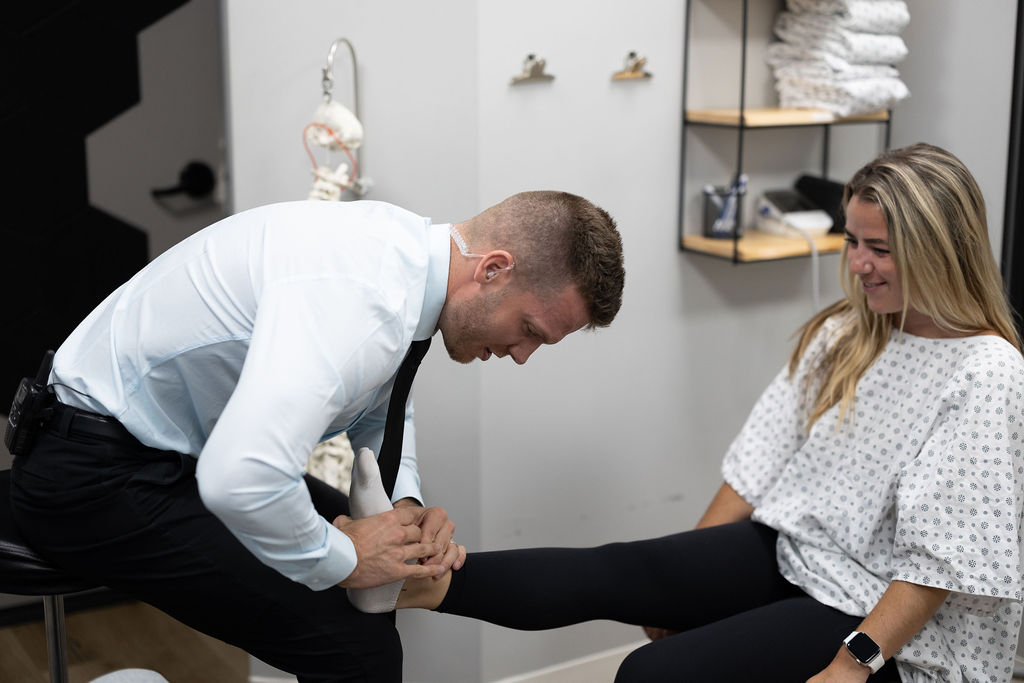
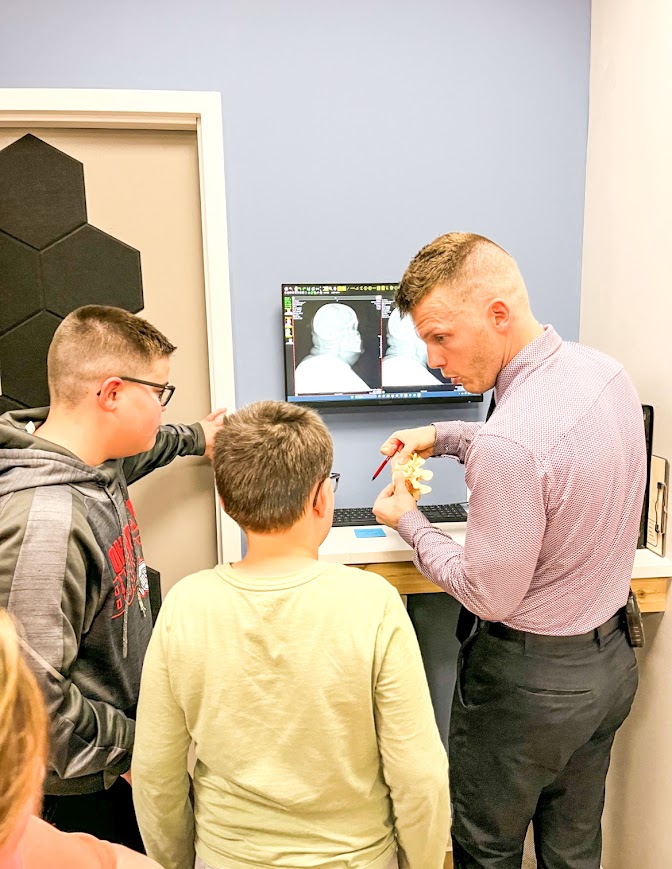
Next comes a physical examination. We’ll assess your posture, observe how you move, and perform orthopedic and neurological tests to determine exactly where the problem lies. We’ll feel along your spine to identify areas of restriction, misalignment, or tenderness. In some cases, we may recommend X-rays to get a clearer view of your spine’s structure, though this isn’t always necessary.
Based on our findings, we’ll develop an individualized treatment plan. This plan will outline what we found during your examination, what we believe is causing your back pain, how we propose to address it, and what kind of timeline you can expect for improvement. We believe in transparency and will make sure you understand every aspect of your care.
Your first adjustment might happen during this initial visit or at a follow-up appointment, depending on your specific situation. Many patients notice some improvement right away, though it’s also normal to feel a bit sore afterward, similar to how you might feel after a good workout. This soreness typically subsides within 24 to 48 hours.
The frequency and duration of care varies from person to person. Acute back pain that just started might respond quickly to a few weeks of treatment. Chronic back pain that’s been present for months or years typically requires a longer course of care to achieve lasting results. We’ll regularly reassess your progress and adjust the treatment plan as needed.
Practical Tips for Managing Back Pain at Home
While professional chiropractic care is important for addressing the underlying causes of back pain, there’s a lot you can do at home to support your recovery and prevent future problems.
Pay attention to your sitting posture throughout the day. Your chair should support your lower back, your feet should rest flat on the floor, and your computer screen should be at eye level. Set a timer to remind yourself to stand up and move around every 30 minutes. Prolonged sitting, even with good posture, puts strain on your spine.
When lifting objects, use proper technique. Bend at your knees, not your waist. Keep the object close to your body. Avoid twisting while lifting. If something is too heavy, ask for help. Many back injuries happen in a split second when someone tries to lift something they shouldn’t.
Invest in a supportive mattress and pillow. You spend about a third of your life sleeping, so your sleep surface matters. A mattress that’s too soft or too old won’t provide adequate support. If you sleep on your back, place a pillow under your knees to maintain the natural curve of your lower back. Side sleepers should place a pillow between their knees.
Stay active with regular, gentle exercise. Walking is excellent for back pain because it promotes circulation, strengthens core muscles, and keeps your spine mobile. Swimming and water aerobics are also great options because the water supports your body weight while you exercise. Avoid high-impact activities or exercises that involve lots of twisting until your back has healed.
Manage stress through relaxation techniques. Chronic stress causes your muscles to tense up, which can worsen back pain. Deep breathing exercises, meditation, gentle yoga, or even a warm bath can help your muscles relax and reduce pain levels.
Apply ice or heat appropriately. For acute injuries or new pain, ice for 15 to 20 minutes several times a day can reduce inflammation. For chronic pain or muscle tension, heat can help relax tight muscles and increase blood flow to the area. Never apply ice or heat directly to your skin, always use a barrier like a towel.
Maintain a healthy weight. Excess body weight, especially around the midsection, shifts your center of gravity forward and increases the load on your lower back. Even losing 10 to 15 pounds can make a significant difference in back pain levels.
| Activity | Back-Friendly Approach | What to Avoid |
|---|---|---|
| Sitting at desk | Lumbar support, feet flat, screen at eye level, frequent movement breaks | Slouching, crossing legs, sitting for hours without breaks |
| Lifting objects | Bend knees, keep object close, straight back, pivot with feet | Bending at waist, twisting while lifting, jerking motions |
| Sleeping | Supportive mattress, pillow under/between knees, neutral spine | Sleeping on stomach, old sagging mattress, no pillow support |
| Exercise | Walking, swimming, gentle stretching, core strengthening | High-impact activities, excessive twisting, ignoring pain signals |
| Phone use | Hold phone at eye level, use speaker or headphones | Looking down at phone for extended periods |
When to See a Chiropractor for Back Pain
Knowing when to seek professional help for back pain can prevent a minor problem from becoming a major one. You don’t need to live with back pain or wait until it becomes unbearable to get help.
Consider seeing a chiropractor if your back pain has lasted more than a few days without improvement. While minor strains often resolve on their own with rest and home care, pain that persists beyond a week suggests there may be an underlying mechanical problem that needs professional attention.
If your back pain is interfering with your daily activities, sleep, work, or quality of life, it’s time to get evaluated. You shouldn’t have to modify your entire life around back pain. Chiropractic care can help you get back to doing the things you enjoy.
Pain that radiates down your leg, especially if accompanied by numbness, tingling, or weakness, warrants evaluation. This could indicate nerve involvement and shouldn’t be ignored. Many patients come to 614 Chiropractic in Hilliard with these symptoms and find relief through targeted chiropractic care.
Recurring episodes of back pain suggest an underlying problem that hasn’t been fully resolved. If you keep experiencing the same back pain over and over, comprehensive chiropractic treatment can address the root cause rather than just providing temporary relief.
Prevention is another excellent reason to see a chiropractor. If you have a physically demanding job, a history of back problems, or simply want to maintain a healthy spine, regular chiropractic check-ups can identify and correct small problems before they become painful.
However, certain symptoms require immediate medical attention rather than chiropractic care. Seek emergency medical care if you experience back pain following significant trauma, back pain accompanied by fever or unexplained weight loss, loss of bladder or bowel control, progressive weakness in the legs, or pain that’s constant and severe, especially at night. These symptoms could indicate serious conditions that require different types of medical intervention.
For most cases of mechanical back pain, chiropractic care offers a safe, effective, drug-free approach to relief and recovery. The earlier you address back pain, the easier it typically is to resolve.
Common Myths About Chiropractic Care for Back Pain
Myth: Once you start chiropractic care, you have to keep going forever
Fact: While some patients choose ongoing wellness care to maintain spinal health, it’s not required. Most treatment plans for back pain have a specific timeframe based on your condition’s severity. Once your pain is resolved and function is restored, you decide whether you want to continue with periodic maintenance care or not.
Myth: Chiropractic adjustments are dangerous and can cause strokes
Fact: Chiropractic adjustments for back pain are extremely safe when performed by a licensed chiropractor. The risk of serious adverse events from lumbar spine manipulation is exceptionally low. The stroke concern is related to neck adjustments and occurs at a rate of approximately one in several million adjustments, making it extraordinarily rare.
Myth: You need X-rays before any chiropractic treatment
Fact: X-rays are not always necessary before beginning chiropractic care for back pain. We use X-rays only when clinically indicated, such as when we suspect a fracture, significant structural abnormality, or when we need additional information that can’t be obtained through examination alone.
Myth: Chiropractic care is just about cracking your back
Fact: Chiropractic care is a comprehensive approach that includes examination, diagnosis, adjustments, soft tissue therapy, rehabilitative exercises, and lifestyle counseling. The adjustment is just one component of a holistic treatment plan designed to address all factors contributing to your back pain.
Myth: If you don’t hear a popping sound, the adjustment didn’t work
Fact: The popping or cracking sound is simply gas being released from the joint and is not an indicator of whether the adjustment was successful. Many effective adjustments produce no sound at all. The true measure of success is improved movement, reduced pain, and better function.
Final Thoughts
Back pain doesn’t have to control your life. Understanding the basics of chiropractic care empowers you to make informed decisions about your health and explore natural, effective options for relief. Here in Hilliard, OH, we’ve seen countless patients at 614 Chiropractic regain their quality of life through conservative chiropractic care.
The beauty of chiropractic care is that it works with your body’s natural healing abilities rather than against them. By restoring proper spinal alignment and function, reducing nerve interference, and addressing the underlying mechanical problems causing your pain, chiropractic care offers a path to lasting relief rather than just temporary symptom management.
Whether you’re dealing with acute back pain from a recent injury or chronic pain that’s been bothering you for years, chiropractic care may be exactly what you need. Every journey to better health starts with a single step. If you’re tired of living with back pain and ready to explore a natural, drug-free approach to healing, we’re here to help guide you on that journey.
Frequently Asked Questions
How long does it take for chiropractic care to relieve back pain?
The timeline varies depending on the severity and duration of your condition. Some patients experience relief after just a few visits, while chronic conditions may require several weeks or months of care. Most people notice some improvement within the first two to four weeks of consistent treatment.
Is chiropractic care safe for everyone with back pain?
Chiropractic care is safe for most people with back pain, including children, pregnant women, and older adults. However, certain conditions like severe osteoporosis, spinal infections, or spinal cord compression require modified techniques or medical referral. A thorough examination helps us determine if chiropractic care is appropriate for your specific situation.
Will my insurance cover chiropractic care for back pain?
Most health insurance plans, including Medicare, provide some coverage for chiropractic care, especially for back pain. Coverage varies by plan, so it’s best to check with your insurance provider or our office to understand your specific benefits and any out-of-pocket costs you might incur.
Can I see a chiropractor if I’m already seeing another doctor for my back pain?
Absolutely. Chiropractic care often works well alongside other forms of medical care. In fact, many medical doctors now refer patients to chiropractors for conservative management of back pain. We’re happy to coordinate care with your other healthcare providers to ensure you receive comprehensive treatment.
What’s the difference between a chiropractor and a physical therapist for back pain?
While there’s some overlap, chiropractors focus primarily on spinal adjustments to restore proper joint function and reduce nerve interference, along with soft tissue work and rehabilitative exercises. Physical therapists typically emphasize exercises, stretching, and modalities to improve strength and function. Both professions can be effective for back pain, and sometimes patients benefit from working with both.
Do I need a referral to see a chiropractor for back pain?
In most cases, you don’t need a referral to see a chiropractor. Chiropractors are portal-of-entry providers, meaning you can schedule an appointment directly without seeing another doctor first. However, some insurance plans may require a referral for coverage, so it’s worth checking your specific plan details.
TL;DR – Key Takeaways
- Chiropractic care is a safe, drug-free, non-surgical approach to treating back pain that focuses on restoring proper spinal alignment and function through adjustments and complementary therapies.
- Back pain typically results from multiple factors including mechanical dysfunction, poor posture, repetitive strain, and past injuries, all of which can be addressed through comprehensive chiropractic care.
- Evidence supports spinal manipulation as a first-line treatment option for both acute and chronic low back pain, with research showing modest improvements in pain and function.
- You can support your chiropractic care at home through proper posture, ergonomic adjustments, appropriate exercise, stress management, and maintaining a healthy weight.
- See a chiropractor if your back pain persists beyond a few days, interferes with daily activities, radiates down your leg, or keeps recurring, but seek emergency care for symptoms like loss of bowel/bladder control or pain after significant trauma.