
Most people think of chiropractic care as something you seek out when your back hurts or your neck is stiff. But did you know that the adjustments you receive at your chiropractor’s office may actually play a role in supporting your body’s natural immune function? It might sound surprising at first, but when you understand how your nervous system and immune system work together, the connection becomes much clearer. Here in Hilliard, OH, many patients at 614 Chiropractic are curious about how their chiropractic care might benefit more than just their spine—and the answer lies in understanding how your body’s communication systems interact.
Your immune system is incredibly complex, constantly working behind the scenes to protect you from viruses, bacteria, and other threats. Meanwhile, your nervous system—which includes your brain, spinal cord, and all the nerves throughout your body—acts as the master control center for everything your body does. When these two systems communicate effectively, your body functions at its best. When communication breaks down due to spinal misalignments or nervous system interference, it can affect many aspects of your health, including your body’s ability to mount an effective immune response.
Quick Answer: How Do Chiropractic Adjustments Support Immune Function?
Chiropractic adjustments help remove interference in the nervous system by correcting spinal misalignments (called subluxations). Since the nervous system and immune system are closely interconnected, reducing this interference may help your body’s natural defense mechanisms function more efficiently. While chiropractic care doesn’t “boost” immunity in the way a vaccine does, it supports the body’s innate healing abilities by optimizing nervous system communication.
Table of Contents
- The Nervous System and Immune System Connection
- What Are Subluxations and How Do They Affect Your Body?
- What the Research Suggests
- How Chiropractic Care Fits Into a Wellness-Oriented Lifestyle
- Practical Ways to Support Your Immune System Naturally
- When to Consider Chiropractic Care for Overall Wellness
- Myths vs. Facts About Chiropractic and Immunity
- Final Thoughts from 614 Chiropractic
The Nervous System and Immune System Connection
To understand how chiropractic adjustments might support immune function, we first need to explore how your nervous system and immune system communicate. These two systems don’t work in isolation—they’re constantly sending signals back and forth to coordinate your body’s responses to stress, injury, and illness.
Your nervous system controls and coordinates every function in your body, from your heartbeat to your digestion to your immune response. The brain sends signals down the spinal cord and out through spinal nerves to every organ, tissue, and cell. This includes the organs and glands that produce immune cells, such as your thymus, spleen, lymph nodes, and bone marrow.
When your spine is properly aligned and your nervous system is functioning without interference, these communication pathways remain clear. Your brain can send appropriate signals to your immune system, telling it when to ramp up defenses or when to calm down after a threat has passed. Research indicates that the nervous system can influence immune cell behavior, inflammatory responses, and even the production of important immune messengers called cytokines.
The autonomic nervous system—the part that controls automatic functions like breathing and heart rate—also plays a significant role in immune regulation. This system has two main branches: the sympathetic (“fight or flight”) and parasympathetic (“rest and digest”). When these branches are balanced, your immune system tends to function more effectively. Chronic stress, poor posture, and spinal misalignments can all disrupt this balance.
What Are Subluxations and How Do They Affect Your Body?
In chiropractic, we use the term “subluxation” to describe a misalignment in the spine that creates interference in the nervous system. These aren’t the same as the complete dislocations you might see in emergency medicine. Instead, subluxations are subtle shifts in spinal alignment that can affect how nerves communicate with the rest of your body.
Subluxations can develop from many sources: poor posture, repetitive movements, injuries, emotional stress, or even poor sleep positions. Over time, these misalignments can create tension in the surrounding muscles, restrict joint movement, and most importantly, interfere with the nervous system’s ability to send clear signals throughout your body.
When subluxations are present, especially in key areas of the spine, they may affect the nerves that connect to your immune organs. For example, the upper cervical spine (your neck) has important connections to the brainstem, which helps regulate many automatic body functions. The thoracic spine (mid-back) houses nerves that connect to organs like the thymus gland, which plays a crucial role in immune cell development.
Here at 614 Chiropractic in Hilliard, we often see patients who’ve been dealing with chronic stress, poor posture from desk work, or old injuries that have created these patterns of misalignment. When we correct these subluxations through gentle, specific adjustments, patients frequently report not just relief from pain, but also improvements in their overall sense of well-being, energy levels, and even fewer sick days.
How Subluxations Develop
Subluxations don’t usually happen overnight. They tend to develop gradually through a combination of physical, chemical, and emotional stressors. Physical stress includes things like car accidents, sports injuries, or years of sitting at a computer with poor posture. Chemical stress involves dietary choices, environmental toxins, or chronic inflammation. Emotional stress—which many of us experience daily—can cause muscle tension and postural changes that contribute to spinal misalignment.
The longer these subluxations remain uncorrected, the more they can affect your nervous system function. This is why many chiropractors, including our team at 614 Chiropractic, emphasize regular check-ups even when you’re not experiencing pain. Catching and correcting these misalignments early helps maintain optimal nervous system function.
What the Research Suggests
While chiropractic care has been around for over a century, scientific research into its effects on immune function is an evolving field. Evidence suggests that spinal adjustments may influence certain immune markers and responses, though it’s important to understand this research in proper context.
Studies have shown that chiropractic adjustments may affect the production of certain immune cells and antibodies. Research published in peer-reviewed journals has indicated that adjustments might influence levels of inflammatory markers, white blood cell counts, and other immune system components. The mechanisms behind these changes likely involve the nervous system’s regulatory influence over immune function.
One area of particular interest is how chiropractic care may affect stress responses. Chronic stress is known to suppress immune function, and research suggests that chiropractic adjustments may help regulate the body’s stress response by balancing the autonomic nervous system. When your body spends less time in “fight or flight” mode and more time in “rest and digest” mode, your immune system has more resources available to do its job effectively.
It’s important to note that chiropractic care isn’t a treatment for specific diseases or infections. Instead, it’s best understood as a way to support your body’s natural healing abilities by optimizing nervous system function. Think of it as removing roadblocks rather than adding something external—when communication pathways are clear, your body can better coordinate all its systems, including immune defenses.
Organizations like the World Health Organization and the National Institutes of Health recognize chiropractic care as a valuable component of conservative, non-invasive healthcare. While more research is always beneficial, the existing evidence supports the idea that maintaining proper spinal alignment and nervous system function contributes to overall health and wellness.

How Chiropractic Care Fits Into a Wellness-Oriented Lifestyle
At 614 Chiropractic in Hilliard, we view chiropractic care as one important piece of a comprehensive wellness approach. We’re not claiming that adjustments alone will prevent you from ever getting sick, but rather that they help create the optimal conditions for your body to function as it was designed to.
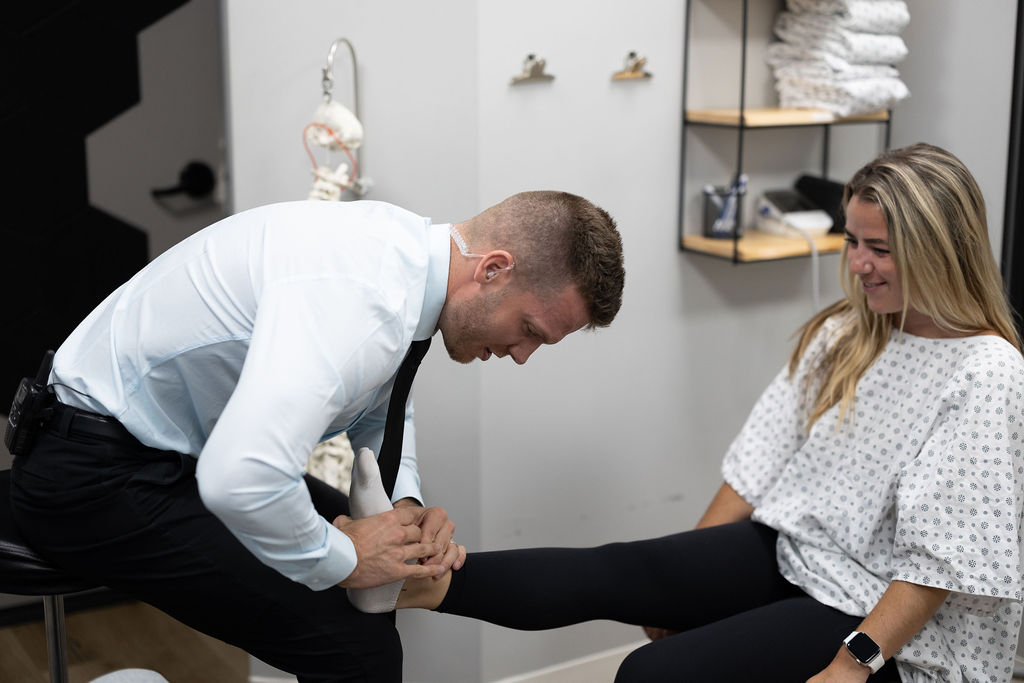
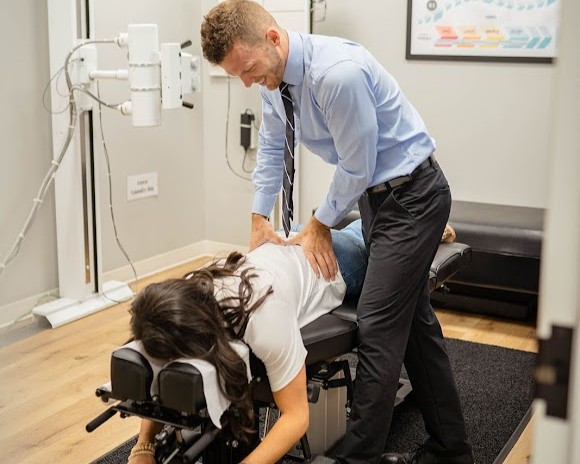
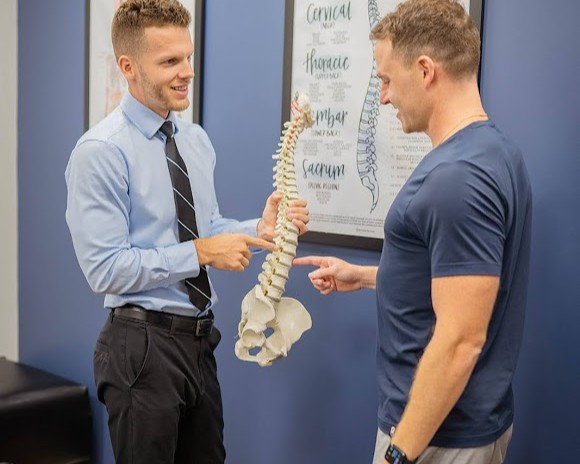
When you come in for an adjustment, we start by assessing your spine for areas of misalignment, restricted movement, and nervous system interference. Using gentle, specific adjustments tailored to your individual needs, we work to restore proper alignment and improve nervous system communication. Many patients describe feeling an immediate sense of relief and relaxation after an adjustment.
What to Expect During Care
Your first visit to our Hilliard office includes a thorough evaluation of your spine, posture, and overall health history. We’ll discuss your health goals—whether that’s pain relief, improved function, or general wellness optimization. Based on this assessment, we’ll create an individualized care plan that addresses your specific needs.
Regular chiropractic care typically involves periodic adjustments to maintain spinal alignment and nervous system function. The frequency of visits varies depending on your individual circumstances, but many wellness-focused patients find that monthly or bi-weekly visits help them maintain optimal function and feel their best.
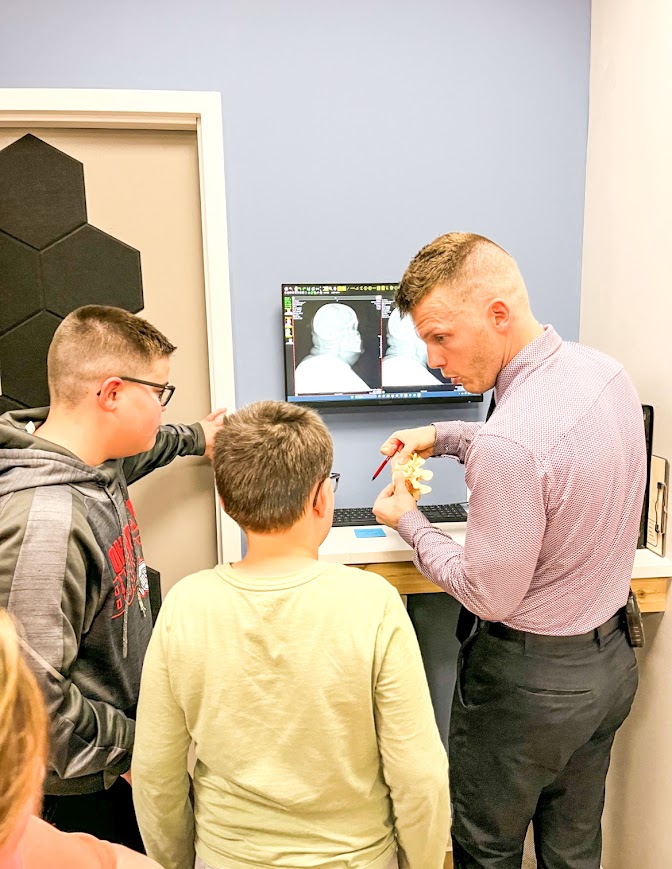
Beyond adjustments, we also provide education on posture, ergonomics, exercise, and lifestyle factors that support both spinal health and overall wellness. We believe in empowering our patients with knowledge so they can make informed decisions about their health.
| System | How Subluxations May Affect It | Potential Benefits of Correction |
|---|---|---|
| Nervous System | Interference in signal transmission, reduced communication efficiency | Improved nerve function, better coordination of body systems |
| Immune System | Disrupted signals to immune organs, altered inflammatory responses | Enhanced communication with immune cells, more balanced responses |
| Stress Response | Overactive sympathetic nervous system, chronic “fight or flight” | Better balance between stress and relaxation responses |
| Overall Wellness | Reduced adaptability, decreased resilience to stressors | Improved energy, better sleep, enhanced sense of well-being |
Practical Ways to Support Your Immune System Naturally
While chiropractic care can play a valuable role in supporting your immune system, it works best as part of a holistic approach to wellness. Here are some evidence-based strategies you can implement alongside your chiropractic care to help your immune system function at its best.
Prioritize Quality Sleep
Sleep is when your body does much of its repair and immune system maintenance. During deep sleep, your body produces and distributes immune cells, and lack of sleep has been shown to reduce immune function. Aim for seven to nine hours of quality sleep each night. Your sleeping position matters too—sleeping on your back or side with proper pillow support helps maintain spinal alignment throughout the night.
Manage Stress Effectively
Chronic stress suppresses immune function by keeping your body in a constant state of alert. Find stress management techniques that work for you, whether that’s meditation, deep breathing, yoga, time in nature, or enjoyable hobbies. Regular chiropractic adjustments can also help your body better adapt to stress by supporting balanced nervous system function.
Stay Active with Movement You Enjoy
Regular physical activity supports immune function, improves circulation, and helps maintain a healthy spine. You don’t need intense workouts—moderate activity like walking, swimming, or gentle stretching can be highly beneficial. Movement also helps prevent the postural problems and spinal misalignments that can develop from sedentary lifestyles. Many of our Hilliard patients find that their chiropractic care enhances their ability to stay active and exercise comfortably.
Eat a Nutrient-Dense Diet
Your immune system needs proper fuel to function well. Focus on whole foods rich in vitamins, minerals, and antioxidants. Colorful vegetables, fruits, lean proteins, healthy fats, and plenty of water all support immune health. Reducing processed foods, excess sugar, and inflammatory ingredients can also help your body function more efficiently.
Maintain Good Posture Throughout Your Day
Poor posture doesn’t just cause pain—it can also affect your breathing, circulation, and nervous system function. When you’re slouched over a computer or phone for hours, you’re creating mechanical stress on your spine and reducing the space available for your lungs to expand. Set up your workspace ergonomically, take regular movement breaks, and be mindful of your posture throughout the day.
Stay Hydrated
Water is essential for every system in your body, including your immune system. Proper hydration helps flush toxins, transport nutrients, and maintain the mucous membranes that act as your first line of defense against pathogens. Aim for adequate water intake throughout your day, adjusting for activity level and climate.
When to Consider Chiropractic Care for Overall Wellness
You don’t have to wait until you’re sick or in pain to benefit from chiropractic care. In fact, many people find that regular wellness care helps them maintain better health and potentially avoid some problems before they develop. Here are some situations when chiropractic care might be particularly beneficial:
If you’re experiencing chronic stress: The physical effects of stress often show up in your spine and posture. Chiropractic care can help your body better adapt to stress and maintain balance in your nervous system.
If you have a sedentary job or lifestyle: Sitting for extended periods creates specific patterns of spinal stress and misalignment. Regular adjustments can help counteract these effects and support better posture and function.
If you’re focused on prevention and wellness: Many patients choose chiropractic care as part of a proactive approach to health. Maintaining proper spinal alignment and nervous system function supports your body’s natural healing and regulatory abilities.
If you notice decreased energy or resilience: When your nervous system is functioning optimally, many people report improved energy levels, better sleep, and an enhanced sense of well-being. These factors all contribute to overall health and immune resilience.
After injuries or accidents: Even minor injuries can create subluxations that persist long after the initial pain resolves. Addressing these misalignments helps prevent long-term nervous system interference.
Red Flags That Warrant Medical Attention
While chiropractic care is excellent for supporting wellness and addressing musculoskeletal issues, certain symptoms require immediate medical attention. Seek emergency care for: high fever with severe headache or stiff neck, difficulty breathing, chest pain, signs of severe infection, unexplained rapid weight loss, or any symptoms that feel life-threatening. Chiropractic care complements medical care but doesn’t replace it for acute medical emergencies or serious illnesses.
Myths vs. Facts About Chiropractic and Immunity
Myth: Chiropractic Adjustments Can Cure Infections or Diseases
Fact: Chiropractic care doesn’t cure diseases, infections, or specific medical conditions. Instead, it supports your body’s natural healing abilities by optimizing nervous system function. Think of it as creating the best possible environment for your body to do what it already knows how to do—heal and regulate itself. If you have a bacterial infection, you still need appropriate medical treatment. Chiropractic care can complement that treatment by supporting overall function.
Myth: You Only Need Chiropractic Care When You’re in Pain
Fact: While chiropractic care is excellent for addressing pain, many people benefit from wellness care even when they feel fine. Subluxations can be present without causing obvious pain, yet still interfere with nervous system function. Regular check-ups help maintain optimal alignment and nervous system communication, much like regular dental cleanings help prevent cavities even when your teeth feel fine.
Myth: There’s No Scientific Evidence Supporting Chiropractic Care and Immune Function
Fact: While research in this area continues to evolve, peer-reviewed studies have shown that spinal adjustments can influence immune markers, stress hormones, and inflammatory responses. The nervous system’s role in regulating immune function is well-established in scientific literature. What we’re learning is how chiropractic care’s effects on the nervous system may translate to immune system support.
Myth: Chiropractic Care Is Just About “Cracking” Your Back
Fact: Chiropractic adjustments are specific, controlled movements designed to restore proper alignment and movement to spinal joints. The “popping” sound some people hear is simply gas bubbles releasing from the joint—it’s not bones cracking. The real benefit comes from reducing nervous system interference and improving overall function. At 614 Chiropractic, we use gentle, precise techniques tailored to each patient’s needs.
Myth: If Adjustments Helped Immune Function, Everyone Would Be Getting Them
Fact: Millions of people around the world do seek regular chiropractic care as part of their wellness routine. However, awareness varies, and healthcare approaches differ based on cultural factors, access to care, and individual preferences. Evidence-based chiropractic care is increasingly recognized as valuable for supporting overall health and wellness alongside other healthy lifestyle practices.
Final Thoughts from 614 Chiropractic
Your immune system is remarkably sophisticated, and supporting it requires a multifaceted approach. Here in Hilliard, Ohio, we’ve seen countless patients at 614 Chiropractic discover that caring for their spine and nervous system contributes to their overall sense of health and well-being. While chiropractic adjustments aren’t a magic bullet for immune health, they’re a valuable tool in your wellness toolkit—one that addresses the critical connection between your nervous system and every other system in your body.
The relationship between spinal health, nervous system function, and immune support makes sense when you consider how interconnected your body’s systems truly are. By removing interference and supporting clear communication throughout your body, chiropractic care helps create the optimal conditions for your natural healing abilities to thrive.
If you’re curious about how chiropractic care might fit into your wellness approach, we’d love to talk with you. Every person’s health journey is unique, and we take the time to understand your individual needs, goals, and concerns. Whether you’re dealing with pain, seeking to optimize your health, or simply want to explore how chiropractic care might benefit you, our team at 614 Chiropractic in Hilliard is here to help.
Remember, investing in your health today—through chiropractic care, good nutrition, regular movement, quality sleep, and stress management—pays dividends in how you feel tomorrow, next month, and for years to come. Your body has an incredible capacity to heal and regulate itself when given the right support. We’re honored to be part of that support system for our Hilliard community.
Frequently Asked Questions
Can chiropractic care prevent me from getting sick?
Chiropractic care doesn’t guarantee you won’t get sick, but it may support your immune system’s ability to function optimally by reducing nervous system interference. Think of it as one component of a healthy lifestyle that also includes good nutrition, adequate sleep, stress management, and regular exercise. Many patients report feeling healthier overall with regular chiropractic care, though individual experiences vary.
How often should I get adjusted to support my immune system?
The frequency of chiropractic visits varies based on your individual needs, health goals, and current spinal condition. Some wellness-focused patients benefit from monthly adjustments, while others may need more frequent care initially. During your evaluation at 614 Chiropractic in Hilliard, we’ll discuss a care plan tailored specifically to your situation and adjust it as your needs change over time.
Is there a specific type of adjustment that’s best for immune support?
The goal of any chiropractic adjustment is to reduce subluxations and optimize nervous system function, which may benefit your overall health including immune function. At 614 Chiropractic, we use techniques suited to your individual spine and comfort level. The most important factor is receiving consistent, quality care from a trained chiropractor rather than seeking a specific “immune-boosting” technique.
Can children benefit from chiropractic care for immune support?
Children can absolutely benefit from gentle chiropractic care as part of a wellness-oriented approach to health. Pediatric adjustments are very gentle and tailored to a child’s developing spine. Many parents bring their children in for wellness check-ups to support proper spinal development and nervous system function during crucial growth years. Always discuss your child’s specific health needs with both their pediatrician and chiropractor.
Will I feel immediate differences in my immune function after an adjustment?
The effects of chiropractic care on immune function are generally subtle and cumulative rather than immediate and dramatic. You likely won’t feel your immune cells working differently right after an adjustment. However, many patients report improved overall well-being, better sleep, reduced stress, and enhanced energy levels over time—all factors that support healthy immune function.
Should I continue chiropractic care when I’m already sick?
In most cases, yes—chiropractic care can be continued safely during minor illnesses like colds. Supporting your nervous system function may help your body’s natural healing processes. However, if you’re experiencing severe illness, high fever, or feel too unwell to come in, it’s fine to reschedule. Always communicate with your chiropractor about how you’re feeling so we can adjust your care appropriately.
TL;DR – Key Takeaways
- Your nervous system and immune system are closely interconnected—when nervous system communication is optimized through chiropractic adjustments, it may support better immune function.
- Subluxations (spinal misalignments) can create interference in nervous system communication, potentially affecting how well your immune system coordinates its responses.
- Chiropractic care doesn’t cure diseases but supports your body’s natural healing abilities by removing nervous system interference and helping maintain proper spinal alignment.
- The best approach to immune health combines chiropractic care with other healthy lifestyle practices including quality sleep, stress management, good nutrition, regular movement, and proper hydration.
- You don’t need to wait until you’re sick or in pain to benefit from chiropractic care—many people use regular wellness adjustments as part of a proactive approach to maintaining optimal health.