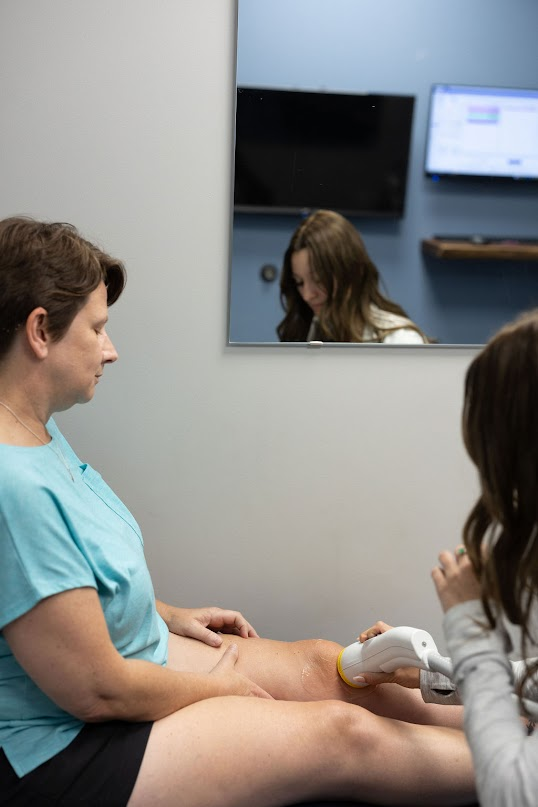
Before starting SoftWave therapy, many patients want to know what the treatment actually feels like. Because SoftWave uses electrohydraulic acoustic waves to stimulate healing within damaged tissue, the sensation can be different from other therapies people may have experienced.
Understanding what to expect can help patients feel more comfortable during their first session.
Sensations During Treatment
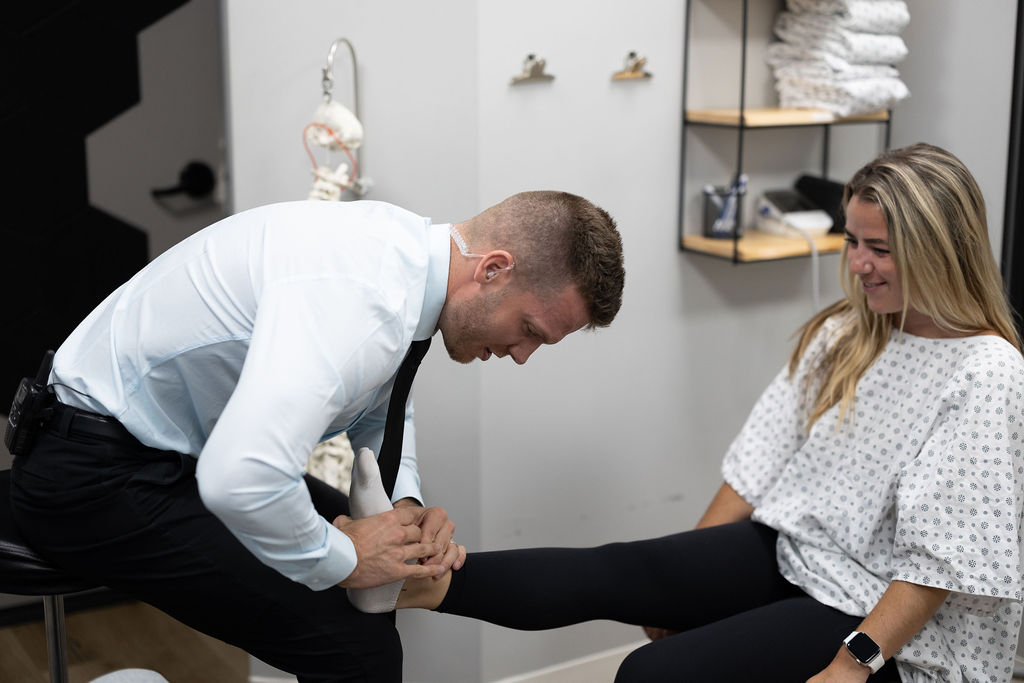
Most patients describe SoftWave therapy as a pulsing, tapping, or rhythmic pressure sensation delivered to the treatment area. The intensity can be adjusted throughout the session depending on the sensitivity of the tissue and the location being treated.
Common sensations during treatment may include:
-
A pulsing or tapping feeling over the injured area
-
Mild to moderate discomfort in areas of inflammation
-
Tender spots that indicate damaged tissue
-
Reduced sensitivity as treatment progresses
These sensations can actually help identify areas where tissue damage or irritation may be present.
Why Some Areas Feel More Sensitive
If a certain spot feels more tender during treatment, it may indicate the presence of inflammation, scar tissue, or chronic tissue irritation. As the area begins to respond to the therapy, many patients notice the sensitivity decreases.
This response is often part of the body’s natural healing process.
How Long Treatment Takes
SoftWave treatments are typically brief, often lasting only a few minutes per treatment area. Because the therapy stimulates the body’s natural regenerative response, it is usually performed in a series of sessions to support ongoing tissue healing.
Many patients begin with 4–12 sessions, depending on factors such as:
-
How long the injury has been present
-
The type of tissue involved
-
The body part being treated
-
The patient’s healing response
Supporting Natural Healing
SoftWave therapy focuses on encouraging the body’s own repair processes. By improving circulation and activating regenerative cells, the treatment helps support healing in damaged tissue rather than simply masking pain.
At 614 Chiropractic, SoftWave therapy is often used alongside chiropractic care and other conservative treatments to help improve mobility and support long-term recovery.
Learn more about SoftWave Tissue Regeneration Therapy and how it may help support your healing process.
https://www.614chiro.com/softwave-therapy-hilliard-oh
By Dr. Nicholas Esser, DC