
If you’ve been dealing with recurring headaches or migraines, you know how much they can disrupt your daily life. The throbbing pain, sensitivity to light and sound, and difficulty concentrating can make even simple tasks feel overwhelming. Many people in Hilliard reach for over-the-counter pain relievers as their first line of defense, but these medications often only mask symptoms temporarily without addressing the underlying cause. At 614 Chiropractic, we see patients every week who are seeking a different approach—one that looks at the root causes of headaches and migraines rather than just covering up the pain.
Chiropractic care offers a conservative, drug-free approach to managing headaches and migraines. Research suggests that many types of headaches, particularly tension-type and cervicogenic headaches, have mechanical or musculoskeletal components that respond well to chiropractic treatment. Even some migraine sufferers have found relief through chiropractic adjustments and lifestyle modifications. This article will help you understand the connection between spinal health and headaches, when chiropractic care may be appropriate, and what you can expect when you visit our Hilliard office.
What Causes Headaches and Migraines?
Headaches are pain conditions affecting the head, scalp, or neck, while migraines are a specific neurological disorder characterized by intense, often one-sided throbbing pain, typically accompanied by nausea, vomiting, and sensitivity to light or sound. Tension-type headaches, the most common form, often result from muscle tension and stress. Cervicogenic headaches originate from problems in the neck and refer pain to the head.
Table of Contents
- Understanding Different Types of Headaches
- The Neck and Spine Connection to Head Pain
- How Chiropractic Care Addresses Headaches
- What to Expect During Your Visit
- Lifestyle Factors That Contribute to Headaches
- Practical Tips for Managing Headaches
- When to See a Chiropractor for Headaches
- Final Thoughts
Understanding Different Types of Headaches
Not all headaches are the same, and understanding what type you’re experiencing can help guide appropriate care. The International Headache Society recognizes over 150 different headache disorders, but the vast majority fall into a few main categories.
Tension-type headaches are the most common and typically feel like a tight band around your head. The pain is usually mild to moderate and affects both sides of the head. These headaches often develop from muscle tension in the neck, shoulders, and jaw, and can be triggered by stress, poor posture, or prolonged computer work. Many patients in Hilliard who work desk jobs experience these regularly.
Cervicogenic headaches originate in the neck but cause pain that’s felt in the head. The pain often starts at the base of the skull and radiates forward, sometimes affecting one side more than the other. These headaches are caused by problems with the cervical spine—the seven vertebrae in your neck—and the surrounding muscles, ligaments, and nerves. Movement or certain neck positions may worsen the pain.
Migraines are a neurological condition that goes beyond a typical headache. They often involve intense, throbbing pain on one side of the head, lasting anywhere from four hours to several days. Migraines frequently come with additional symptoms like nausea, vomiting, visual disturbances (called aura), and extreme sensitivity to light, sound, or smells. While the exact cause of migraines isn’t fully understood, they involve changes in brain activity and blood flow, and can be triggered by various factors including stress, hormonal changes, certain foods, and environmental stimuli.
Cluster headaches are less common but extremely painful. They occur in cyclical patterns or clusters, with severe pain concentrated around one eye. These require specialized medical evaluation and management.
The Neck and Spine Connection to Head Pain
Your spine, particularly your neck, plays a much larger role in headaches than most people realize. The upper cervical spine—specifically the first three vertebrae—has direct neurological connections to areas of the head and face. When these joints aren’t moving properly or the surrounding muscles become tight and irritated, pain signals can be referred to various parts of the head.
The concept is called “referred pain,” and it’s well-established in musculoskeletal medicine. Dysfunction in the cervical spine can trigger pain that you feel in your temples, behind your eyes, at the base of your skull, or even across your forehead. This happens because the nerves that supply sensation to your head and the nerves from your upper neck converge in the same area of your spinal cord, creating what’s known as the trigeminocervical nucleus.
Poor posture is one of the biggest contributors to neck-related headaches we see at 614 Chiropractic. When you spend hours each day with your head tilted forward looking at a computer screen or phone, the muscles at the base of your skull work overtime to support the weight of your head. For every inch your head moves forward from its neutral position, it can add up to 10 pounds of additional strain on your neck muscles. Over time, this leads to muscle fatigue, trigger points, joint restriction, and eventually headaches.
Spinal misalignments or subluxations in the cervical spine can also affect how your nervous system functions. When vertebrae aren’t moving correctly or are slightly out of their optimal position, they can irritate nearby nerves and create inflammation in the surrounding tissues. This irritation doesn’t just stay local to the neck—it can contribute to tension patterns throughout your upper body and affect the delicate balance of your nervous system, potentially triggering or worsening headaches.
How Chiropractic Care Addresses Headaches
Chiropractic care for headaches focuses on identifying and correcting the underlying mechanical and neurological factors that may be contributing to your pain. Rather than simply masking symptoms with medication, the goal is to restore proper function to your spine and nervous system, allowing your body to heal naturally.
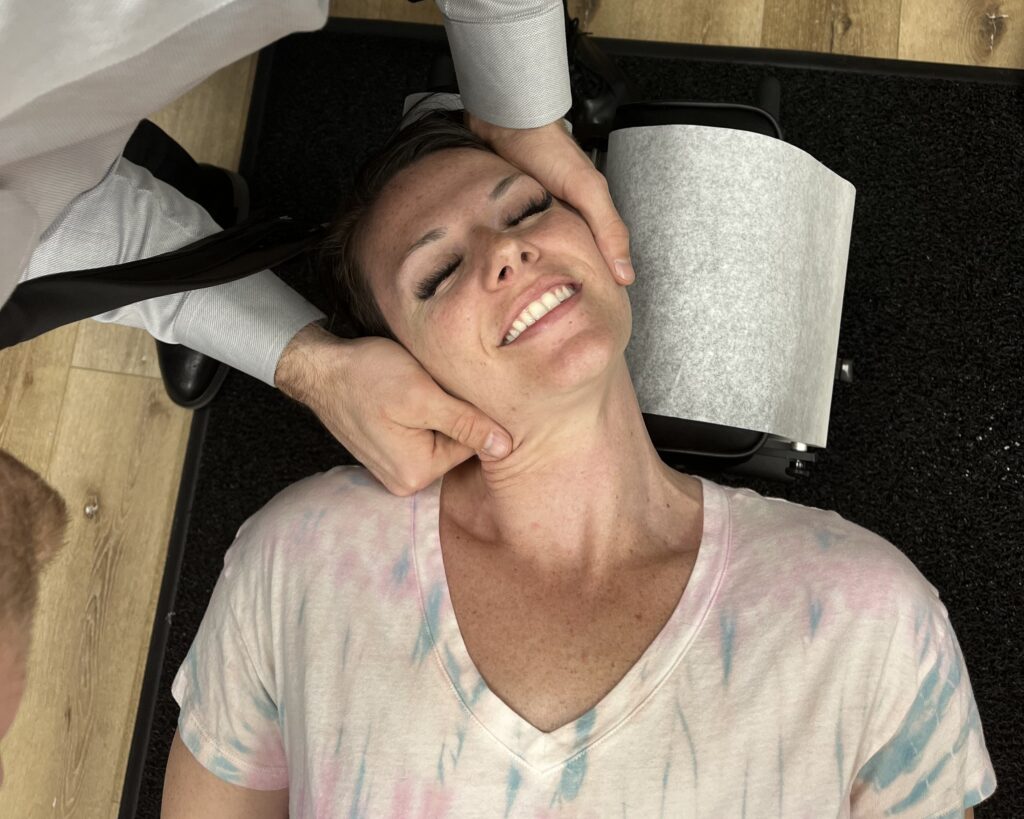
Spinal adjustments are the cornerstone of chiropractic treatment. Dr. Nicholas Esser uses specific, controlled movements to restore proper motion and alignment to vertebrae in your neck and upper back. Research indicates that spinal manipulation can be effective for certain types of headaches, particularly tension-type and cervicogenic headaches. A systematic review in the European Journal of Neurology found evidence supporting spinal manipulation for cervicogenic headaches, and multiple studies have shown benefits for tension-type headaches as well.
When Dr. Esser performs an adjustment, he’s doing more than just “cracking” your neck. He’s restoring proper joint mechanics, reducing nerve irritation, decreasing muscle tension, and improving blood flow to affected areas. Many patients report feeling immediate relief after an adjustment, though it typically takes a series of treatments to achieve lasting results.
Soft tissue therapy addresses the muscular component of headaches. Tight, overworked muscles in your neck, shoulders, and upper back often harbor trigger points—hyper-irritable spots that can refer pain to your head. At 614 Chiropractic, we use various techniques to release these trigger points and reduce muscle tension, including manual therapy, myofascial release, and specific stretching protocols.
Postural correction and ergonomic guidance are essential parts of headache care. Dr. Esser evaluates how you sit, stand, and move throughout your day, identifying patterns that may be contributing to your headaches. He then provides specific recommendations to improve your workspace setup, sleeping position, and daily movement habits. These modifications help prevent headaches from recurring once we’ve addressed the immediate problem.
Lifestyle and nutritional counseling rounds out the treatment approach. Many headache triggers are related to diet, hydration, sleep quality, and stress management. While chiropractic adjustments address the mechanical aspects, supporting your body through proper nutrition, adequate water intake, regular sleep, and stress reduction techniques creates an environment where healing can occur more effectively.
What Treatment Looks Like at 614 Chiropractic
When you visit our Hilliard office for headaches, your first appointment begins with a thorough evaluation. Dr. Esser will ask detailed questions about your headache history, including frequency, intensity, location, duration, and any patterns or triggers you’ve noticed. He’ll also review your medical history, daily activities, stress levels, and previous treatments you’ve tried.
The physical examination includes postural analysis, range of motion testing, palpation of your spine and surrounding muscles, neurological screening, and orthopedic tests specific to headaches. This comprehensive evaluation helps determine whether your headaches have a musculoskeletal component that may respond to chiropractic care, or whether you need referral to another healthcare provider.
If chiropractic care is appropriate, Dr. Esser will develop an individualized treatment plan. Initial treatment typically involves more frequent visits—perhaps two to three times per week for the first few weeks—to build momentum in correcting the underlying problems. As your condition improves, visits become less frequent, eventually transitioning to maintenance care or wellness visits to prevent recurrence.
What to Expect During Your Visit
Many people feel nervous about their first chiropractic visit, especially when dealing with head pain. Understanding what to expect can help ease those concerns. At 614 Chiropractic in Hilliard, we prioritize clear communication and patient comfort throughout the entire process.
Your initial visit will take longer than subsequent appointments—typically 45 minutes to an hour. This allows time for paperwork, consultation, examination, and potentially your first treatment. Dr. Nicholas Esser takes time to listen to your concerns and answer your questions. There’s no rushing through appointments or treating everyone the same way.
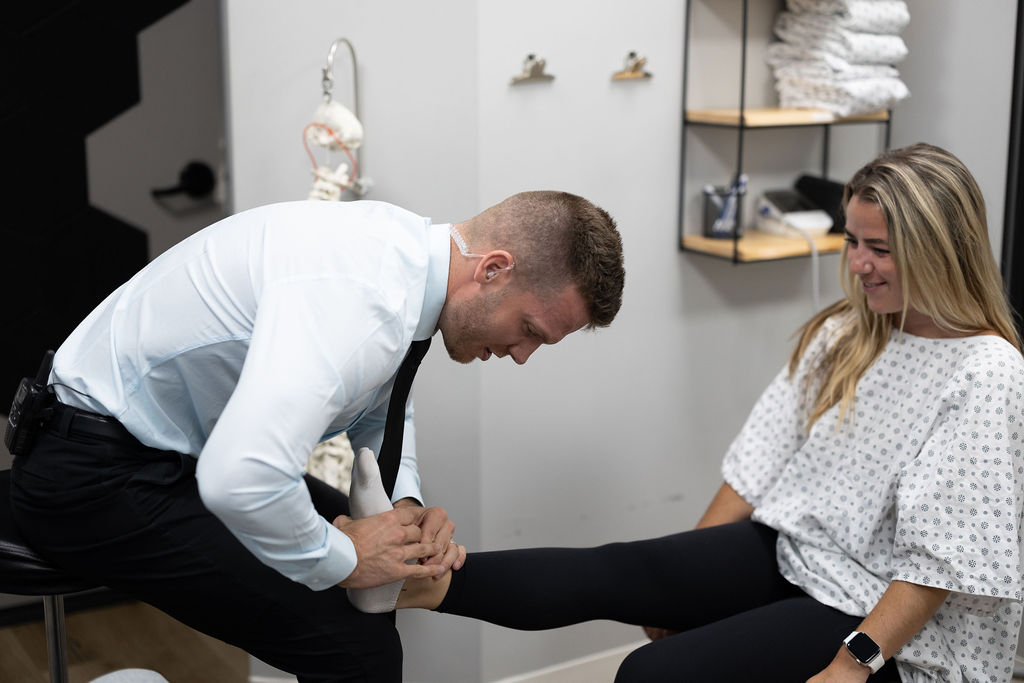
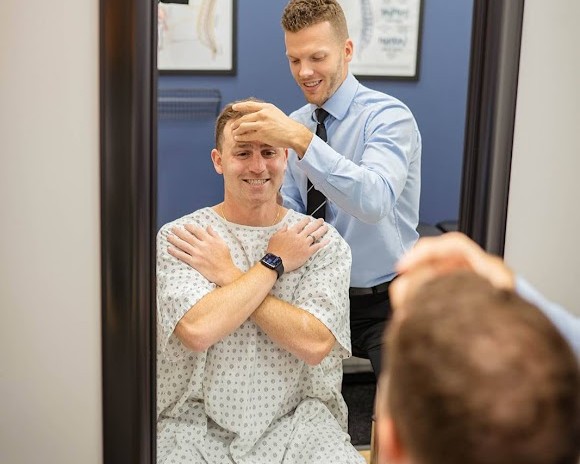
During the physical examination, you’ll remain fully clothed in comfortable attire. Dr. Esser will observe your posture from multiple angles, checking for imbalances or compensations. He’ll have you perform simple movements to assess your range of motion and identify any restrictions. Palpation—using his hands to feel the muscles, joints, and alignment of your spine—helps locate areas of tension, tenderness, or restriction.
If adjustments are recommended during your first visit, Dr. Esser will explain exactly what he’s going to do before he does it. Chiropractic adjustments are generally gentle and well-tolerated. You may hear a popping or cracking sound—this is simply gas bubbles releasing from the joint, similar to cracking your knuckles, and is completely normal. Most patients describe the experience as relieving rather than painful.
Some people experience immediate relief after their first adjustment, while others need several treatments before noticing significant improvement. You may feel slightly sore or tired after your first few adjustments as your body adapts to the changes. This is normal and typically resolves within a day or two. Dr. Esser will provide specific instructions about what to expect and how to support your recovery between visits.
Lifestyle Factors That Contribute to Headaches
While spinal adjustments can address the mechanical causes of headaches, lasting relief often requires looking at the bigger picture of your daily habits and environment. Here in Hilliard, many of our patients lead busy lives that include long work hours, high stress, and habits that unknowingly trigger or worsen their headaches.
Screen time and forward head posture rank among the top contributors. Whether you’re working at a computer, scrolling through your phone, or binge-watching your favorite shows, prolonged periods with your head tilted forward place enormous strain on your neck muscles. This “text neck” or “tech neck” phenomenon has become increasingly common, and it’s a major factor in cervicogenic and tension-type headaches.
Dehydration is surprisingly common and can trigger headaches on its own or make existing headaches worse. Your brain is about 75% water, and even mild dehydration can affect its function and trigger pain. Many people don’t drink enough water throughout the day, instead relying on coffee, tea, or sugary beverages that can actually contribute to dehydration.
Sleep quality and position significantly impact headache frequency. Poor sleep, irregular sleep schedules, or sleeping in positions that strain your neck can all contribute to morning headaches. Sleeping on your stomach, for example, forces your neck to rotate to one side for extended periods, which can irritate joints and muscles. Using too many pillows or pillows that don’t provide proper support can also create problems.
Stress and muscle tension create a vicious cycle. Stress causes your muscles to tighten, particularly in your neck, shoulders, and jaw. This tension restricts blood flow, irritates nerves, and can trigger headaches. The headaches then create more stress, which causes more tension, and the cycle continues. Chronic stress also affects your nervous system function and can lower your pain threshold, making you more susceptible to headaches.
Dietary triggers affect some people more than others. Common culprits include caffeine (both excess consumption and withdrawal), alcohol, aged cheeses, processed meats containing nitrates, artificial sweeteners, and foods high in MSG. Skipping meals or experiencing blood sugar fluctuations can also trigger headaches in some individuals.
Practical Tips for Managing Headaches
While professional chiropractic care addresses the underlying causes of headaches, there’s much you can do at home to support your recovery and prevent future episodes. These practical strategies complement the care you receive at 614 Chiropractic and empower you to take an active role in your health.
Optimize your workspace ergonomics. Position your computer monitor at eye level, about an arm’s length away. Your chair should support the natural curve of your lower back, and your feet should rest flat on the floor. Your keyboard and mouse should be at a height where your elbows form a 90-degree angle. Take these adjustments seriously—poor ergonomics is one of the most common correctable causes of tension headaches we see in Hilliard.
Practice the 20-20-20 rule. Every 20 minutes, take a 20-second break to look at something 20 feet away. This gives your eye muscles and neck muscles a chance to relax and reduces the cumulative strain from prolonged focus on a screen. Stand up, walk around, and gently move your neck through its full range of motion every hour.
Stay properly hydrated. Aim for half your body weight in ounces of water daily as a general guideline. If you weigh 150 pounds, that’s about 75 ounces of water spread throughout the day. Start your morning with a glass of water, keep a water bottle at your desk, and drink water with meals. If plain water feels boring, add slices of lemon, cucumber, or fresh herbs for flavor.
Improve your sleep hygiene. Maintain a consistent sleep schedule, even on weekends. Create a dark, cool, quiet sleeping environment. Invest in a supportive pillow that maintains the natural curve of your neck—whether you sleep on your back or side, your neck should remain in neutral alignment. Avoid screens for at least an hour before bed, as blue light can interfere with sleep quality.
Learn to manage stress effectively. This looks different for everyone. Some people benefit from meditation or deep breathing exercises. Others find relief through regular exercise, time in nature, journaling, or creative hobbies. The key is finding healthy coping mechanisms that work for you and practicing them consistently, not just when you’re already overwhelmed.
Be mindful of your jaw tension. Many people clench their jaw or grind their teeth, especially during stress or sleep. This creates tension in the temporomandibular joint (TMJ) and the muscles of your jaw, which can refer pain to your temples and forehead. Throughout the day, notice whether your jaw is relaxed. Your teeth should only touch when chewing—otherwise, your jaw should be slightly open with your tongue resting gently against the roof of your mouth.
Keep a headache diary. Track when your headaches occur, how severe they are, how long they last, and any potential triggers you notice. Include information about your sleep, stress levels, diet, menstrual cycle (if applicable), weather changes, and activities. Over time, patterns often emerge that help you and Dr. Esser identify specific triggers and adjust your care plan accordingly.
When to See a Chiropractor for Headaches
Not every headache requires professional attention, but certain patterns and symptoms indicate it’s time to seek care. If you’re dealing with any of the following, chiropractic evaluation may be appropriate:
You’re experiencing headaches more than once or twice per week. Frequent headaches affect your quality of life and often indicate an underlying problem that needs attention. While occasional headaches are common, regular occurrences suggest something needs to be addressed rather than continually managed with pain medication.
Your headaches are becoming more frequent or severe over time. Any significant change in your headache pattern warrants evaluation. If headaches that used to be mild are now moderate or severe, or if they’re occurring more often, this progression suggests the underlying cause is worsening.
Over-the-counter medications aren’t providing adequate relief, or you’re using them frequently. Regular reliance on pain medications can lead to rebound headaches, where the medication itself begins contributing to the problem. It also indicates that the underlying cause isn’t being addressed.
Your headaches are affecting your work, relationships, or daily activities. When headaches force you to miss work, cancel plans, avoid activities you enjoy, or struggle to be present with family and friends, it’s time to seek a more effective solution.
You notice your headaches worsen with certain neck positions or movements. This is a strong indicator of a cervicogenic component to your headaches, which typically responds well to chiropractic care. If looking up, looking down, turning your head, or maintaining certain positions triggers or intensifies your headaches, the problem likely originates in your neck.
Your headaches are accompanied by neck pain, shoulder tension, or upper back discomfort. The connection between these areas and your headaches suggests a musculoskeletal component that chiropractic care is well-suited to address.
Red Flags That Require Immediate Medical Attention
While most headaches are benign, certain symptoms indicate a serious medical emergency. Seek immediate emergency care if you experience a sudden, severe headache unlike anything you’ve experienced before (often described as a “thunderclap” headache), headache accompanied by fever, stiff neck, confusion, vision changes, difficulty speaking, weakness, or numbness, headache following a head injury, headache with seizures or loss of consciousness, or severe headache during pregnancy.
Dr. Esser is trained to recognize these warning signs. If during your evaluation he identifies symptoms that require medical referral rather than chiropractic care, he’ll direct you to the appropriate healthcare provider. Patient safety is always the top priority at 614 Chiropractic.
Comparison Table: Headache Types and Treatment Approaches
| Headache Type | Common Triggers | Typical Symptoms | Chiropractic Approach |
|---|---|---|---|
| Tension-Type | Stress, poor posture, muscle tension, lack of sleep | Bilateral pressure or tightness, band-like sensation, mild to moderate pain | Spinal adjustments, soft tissue therapy, postural correction, stress management |
| Cervicogenic | Neck problems, poor ergonomics, whiplash injury, prolonged sitting | One-sided pain starting in neck/base of skull, pain with neck movement, reduced range of motion | Cervical adjustments, mobilization, muscle release, ergonomic modifications |
| Migraine | Hormones, certain foods, stress, sleep changes, sensory stimuli | Throbbing pain (often one-sided), nausea, light/sound sensitivity, visual disturbances, 4-72 hour duration | Upper cervical care, trigger identification, lifestyle modifications, co-management with medical providers as needed |
| Cluster | Alcohol, strong odors, possibly circadian rhythm disruption | Severe one-sided pain around eye, restlessness, eye tearing, nasal congestion, occurs in cycles | Typically requires medical co-management; chiropractic care may provide supportive benefit for musculoskeletal components |
Common Myths About Chiropractic Care for Headaches
Myth: Chiropractic adjustments are dangerous for headaches
Fact: Chiropractic care is recognized as a safe, conservative treatment option for many types of headaches. Serious complications from cervical manipulation are extremely rare, with estimates ranging from one in several hundred thousand to one in several million adjustments. Dr. Esser performs a thorough evaluation before any treatment to identify contraindications and ensure care is appropriate for your specific situation. The risk of serious side effects from long-term use of over-the-counter pain medications is actually considerably higher than the risk from chiropractic adjustments.
Myth: You need X-rays or an MRI before getting chiropractic care for headaches
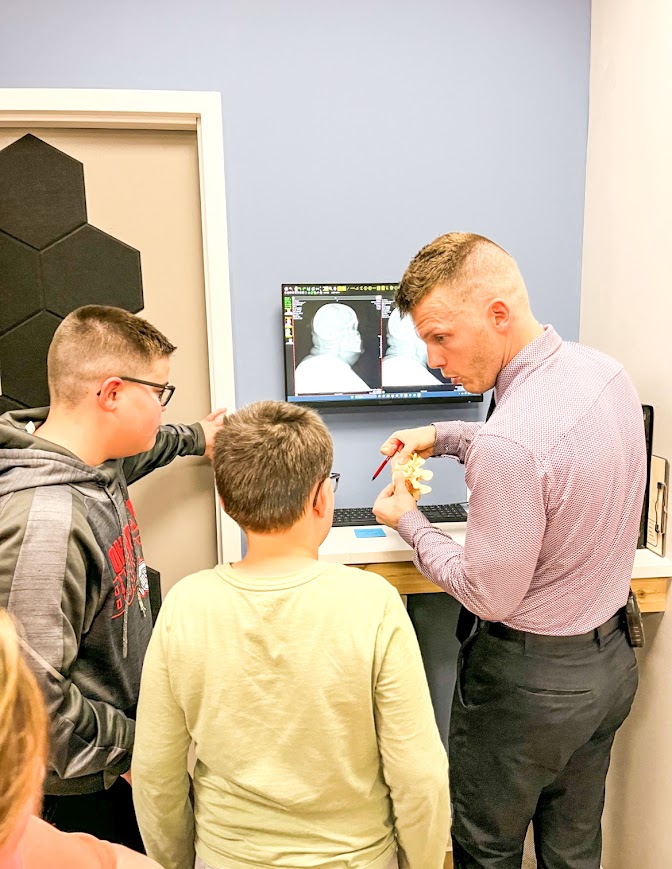
Fact: Most patients do not need imaging before beginning chiropractic care for headaches. A thorough history and physical examination usually provide enough information to determine whether chiropractic care is appropriate and to develop an effective treatment plan. Advanced imaging is only necessary when red flags are present or when initial care doesn’t produce expected results. Dr. Esser will refer for imaging when clinically indicated, but unnecessary X-rays or MRIs expose you to radiation or incur costs without providing useful information for most headache cases.
Myth: Once you start chiropractic care, you have to keep going forever
Fact: The treatment plan at 614 Chiropractic is designed to meet your specific goals. Many patients achieve significant improvement or resolution of their headaches within weeks to months of care. While some people choose to continue periodic maintenance visits to maintain optimal spinal health and prevent recurrence, this is a choice, not a requirement. Dr. Nicholas Esser respects your autonomy and works with you to determine the frequency and duration of care that makes sense for your situation.
Myth: Chiropractic care can cure migraines
Fact: While some migraine sufferers experience reduced frequency, intensity, or duration of migraines with chiropractic care, particularly when there’s a musculoskeletal component, it’s more accurate to say that chiropractic care may help manage migraines rather than cure them. Migraines are complex neurological events with multiple contributing factors. Chiropractic care addresses mechanical and postural components that may trigger or worsen migraines, but individual responses vary. Some patients experience dramatic improvement, while others benefit more modestly. Honest communication about realistic expectations is part of quality care at 614 Chiropractic.
Myth: Chiropractors only do adjustments for headaches
Fact: Comprehensive chiropractic care for headaches includes much more than spinal adjustments. At our Hilliard office, treatment typically combines adjustments with soft tissue therapy, postural and ergonomic recommendations, exercise and stretching instruction, nutritional guidance, stress management strategies, and lifestyle modifications. This multifaceted approach addresses the various factors contributing to your headaches and gives you tools to manage your condition long-term.
Final Thoughts
Living with frequent headaches or migraines doesn’t have to be your normal. If you’re tired of relying on medication that only provides temporary relief, or if you’re seeking a more natural approach to managing your head pain, chiropractic care may offer the solution you’ve been looking for. Here in Hilliard, Dr. Nicholas Esser and the team at 614 Chiropractic are committed to helping patients understand the true causes of their headaches and providing effective, individualized care that addresses those root causes.
Every patient’s situation is unique, and what works for one person may not be the complete answer for another. That’s why thorough evaluation, clear communication, and personalized treatment plans are so important. Whether your headaches stem from neck problems, poor posture, muscle tension, or a combination of factors, identifying the specific contributors in your case allows for targeted, effective treatment.
The journey to fewer, less severe headaches starts with taking that first step to seek professional evaluation. At 614 Chiropractic in Hilliard, Ohio, we’re here to answer your questions, address your concerns, and help you find relief from the headaches that have been holding you back. You deserve to feel your best and enjoy life without constantly worrying about when the next headache will strike.
Frequently Asked Questions
How many chiropractic visits does it take to see improvement in headaches?
Most patients begin noticing some improvement within the first few weeks of care, typically after 4-8 visits, though this varies based on the severity and chronicity of your condition. Headaches that have been present for years generally require more time to resolve than those that developed recently. Dr. Esser will reassess your progress regularly and adjust your treatment plan accordingly.
Can chiropractic care help with headaches caused by stress?
Yes, chiropractic care can be beneficial for stress-related headaches. While chiropractic adjustments don’t eliminate stress from your life, they address the physical manifestations of stress—particularly muscle tension in the neck, shoulders, and upper back that contributes to tension-type headaches. Combined with stress management strategies and lifestyle modifications, chiropractic care helps break the cycle between stress and headaches.
Is it normal to feel sore after a chiropractic adjustment for headaches?
Some mild soreness or stiffness for 24-48 hours after your first few adjustments is normal, similar to how you might feel after starting a new exercise routine. This is your body adjusting to improved spinal alignment and movement patterns. Most patients find any discomfort is minimal and well worth the relief that follows. Applying ice to sore areas, staying hydrated, and gentle movement usually help resolve any post-adjustment soreness quickly.
Will my insurance cover chiropractic treatment for headaches?
Many insurance plans include chiropractic coverage, though specific benefits vary widely. The team at 614 Chiropractic can verify your insurance coverage and help you understand your benefits. We’re committed to making care accessible and will work with you on payment options regardless of your insurance situation.
Can children with frequent headaches see a chiropractor?
Yes, chiropractic care can be appropriate for children experiencing headaches. Pediatric adjustments are extremely gentle and modified for a child’s developing spine. Children today often experience postural stress from heavy backpacks, poor desk ergonomics, and excessive screen time, all of which can contribute to headaches. Dr. Esser has experience working with younger patients and adjusts his techniques accordingly.
What’s the difference between a chiropractor and a headache specialist for treating migraines?
Chiropractors focus on the musculoskeletal and neurological components of headaches through manual therapy, spinal adjustments, and conservative care. Headache specialists (typically neurologists) focus on the medical management of headaches, often through medication and identifying neurological causes. These approaches aren’t mutually exclusive—many patients benefit from an integrated approach. At 614 Chiropractic, Dr. Nicholas Esser can co-manage care with your medical providers when appropriate, ensuring you receive comprehensive treatment.
TL;DR – Key Takeaways
- Many headaches, particularly tension-type and cervicogenic headaches, have musculoskeletal components that respond well to chiropractic care, offering a drug-free alternative to pain medication.
- Your neck and upper spine have direct neurological connections to your head, meaning spinal dysfunction can trigger or worsen headaches through referred pain patterns and nervous system irritation.
- Chiropractic treatment combines spinal adjustments, soft tissue therapy, postural correction, and lifestyle modifications to address the root causes of headaches rather than just masking symptoms.
- Lifestyle factors including forward head posture, dehydration, poor sleep, stress, and dietary triggers significantly contribute to headache frequency and severity, making self-care strategies essential for lasting relief.
- Seek chiropractic evaluation if you experience headaches more than twice weekly, notice increasing frequency or severity, find medications ineffective, or observe headaches worsen with certain neck positions—Dr. Nicholas Esser at 614 Chiropractic in Hilliard, Ohio can determine if your headaches have a treatable musculoskeletal component.